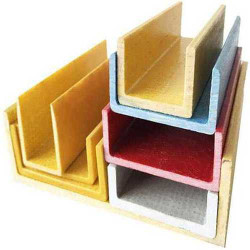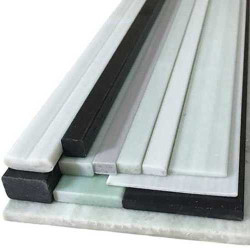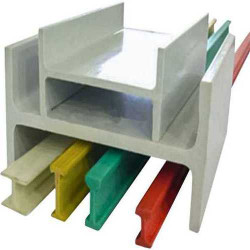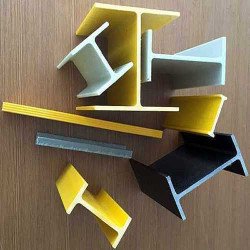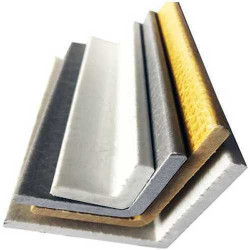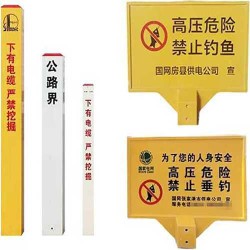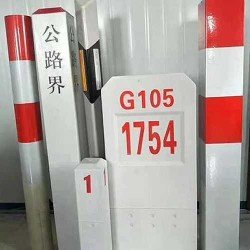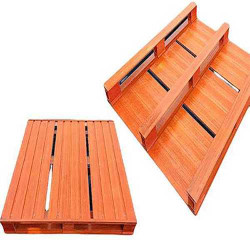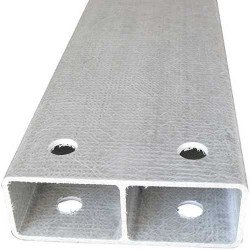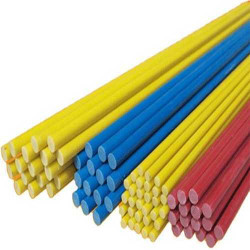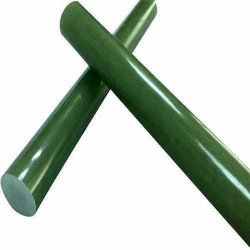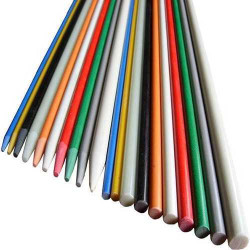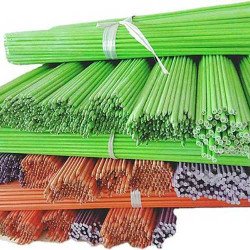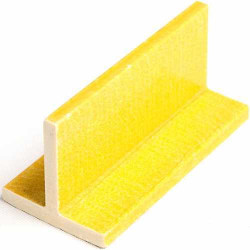
Structural FRP profiles are pultruded composite sections used for structural framing, supports, and other engineered assemblies where non-metallic construction is considered. Common profiles include C-channels, I-beams, angles, and tubes. They are generally formed from continuous glass-fiber reinforcement in a thermosetting resin matrix, with the reinforcement primarily oriented along the profile length.
What are Structural FRP Profiles
Structural FRP profiles are composite sections manufactured by pultrusion. In this process, continuous reinforcing fibers are drawn through a resin system and formed into a consistent profile shape. The resulting fiber orientation gives pultruded profiles directional mechanical behavior, so profile orientation and load direction are important considerations in structural design.
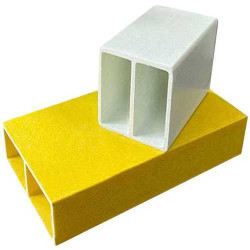
Common structural FRP sections include C-channels, I-beams, angles, and tubes. C-channels and angles can be used for framing and bracing, I-beams can be considered for beam applications, and tubes can be used where an enclosed section is suitable for columns, supports, or rail structures. The appropriate profile depends on the required geometry, applied loads, span, connection method, operating environment, and project design requirements.
Structural FRP profiles generally consist of glass-fiber reinforcement embedded in a thermosetting resin matrix. The resin system influences environmental resistance and other application characteristics, while final suitability depends on the selected configuration and service conditions.
Where Structural FRP Profiles are Used
Structural FRP profiles are used in industrial and infrastructure applications where composite structural sections form part of the overall design. Typical examples include chemical plant platforms, marine walkways, cooling tower structures, industrial handrails, equipment supports, and other framework applications.
Profile selection should consider the load path, section geometry, span, applied loads, connection details, operating environment, and installation conditions rather than profile shape alone. FRP profiles are therefore evaluated according to the requirements of the complete structural application.
Frequently Asked Questions
Can structural FRP profiles be used in place of steel sections?
Not as a direct one-for-one substitution. FRP profiles have different stiffness, strength characteristics, failure behavior, and directional properties from steel sections. A structural design using FRP should therefore consider the required loads, span, deflection, connections, environmental conditions, and the characteristics of the selected FRP profile.
Why does fiber direction matter in pultruded FRP profiles?
Pultrusion primarily aligns continuous reinforcing fibers along the length of the profile. As a result, the mechanical behavior of the section is directional, and the relationship between fiber orientation, profile geometry, and applied load should be considered when selecting and designing structural FRP profiles.
How should a structural FRP profile be selected?
Selection normally starts with the required section geometry and structural arrangement, followed by consideration of loads, span, deflection, connection details, resin system, operating environment, and installation conditions. The selected profile and configuration should match the requirements of the specific application.