Fiber Reinforced Polymer Solutions for Corrosion-Resistant Structural Reinforcement
FRP reinforcement systems use fiber reinforced polymer composites to provide non-metallic reinforcement solutions for concrete structures, underground engineering, and civil infrastructure applications. These systems combine fiber reinforcement with polymer resin matrices to create composite materials designed for environments where corrosion resistance and long-term durability considerations are important.
HotFRP provides FRP reinforcement products including concrete reinforcement systems and ground support solutions. These product categories support engineering applications requiring composite reinforcement materials for challenging environments such as marine structures, transportation infrastructure, mining, and underground construction.
FRP Reinforcement Product Families
FRP reinforcement systems include different product categories selected according to structural requirements, environmental exposure, and project-specific engineering conditions.
GFRP & BFRP Concrete Reinforcement
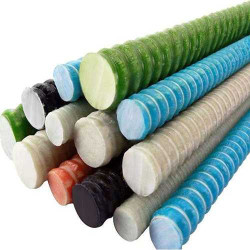
FRP concrete reinforcement products use glass fiber reinforced polymer (GFRP) and basalt fiber reinforced polymer (BFRP) materials as non-metallic reinforcement options for concrete structures.
These reinforcement systems are commonly considered for applications where reduced corrosion exposure, electrical non-conductivity, and composite material characteristics are important design considerations.
- GFRP reinforcing bars
- BFRP reinforcing bars
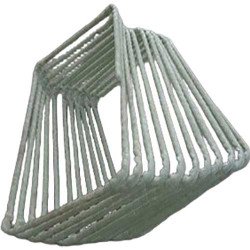
- FRP reinforcement mesh systems
- Concrete reinforcement components
Learn more about GFRP Rebar & Mesh Concrete Reinforcement .
FRP Ground Support Systems
FRP ground support systems are designed for underground and geotechnical applications where composite reinforcement components provide corrosion resistance and lightweight installation characteristics.
Typical applications include mining, tunneling, slope stabilization, and underground construction environments where project conditions require specialized reinforcement solutions.
- FRP rock bolts
- Self-drilling composite bolting systems
- Ground stabilization components
Learn more about FRP Rock Bolts & Ground Support Systems .
Engineering Characteristics of FRP Reinforcement
The selection of FRP reinforcement requires consideration of structural design requirements, environmental conditions, installation methods, and material characteristics.
Corrosion Resistance
FRP reinforcement materials are commonly selected for applications where exposure to moisture, chlorides, chemicals, or other corrosive environments may influence conventional metallic reinforcement systems.
Non-Metallic Material Properties
Unlike traditional metallic reinforcement materials, FRP reinforcement systems provide non-metallic characteristics including electrical non-conductivity and resistance to electromagnetic interference, making them suitable for specialized applications requiring these properties.
Lightweight Composite Design
The combination of high-strength fibers and polymer resin systems provides FRP reinforcement products with lightweight composite characteristics that may support easier handling, transportation, and installation processes.
FRP Reinforcement Selection Considerations
Selecting appropriate FRP reinforcement requires evaluation of engineering conditions rather than material selection based only on product type.
Structural Requirements
Important considerations may include:
- Required reinforcement function
- Concrete structure design conditions
- Load requirements
- Connection and installation methods
Environmental Exposure
Environmental conditions such as marine exposure, chemical environments, underground conditions, and moisture exposure may influence reinforcement system selection.
Material and Design Compatibility
FRP reinforcement selection should consider compatibility between composite reinforcement materials, surrounding construction materials, and project-specific engineering requirements.
Typical Applications of FRP Reinforcement Systems
FRP reinforcement systems are used in various civil engineering and industrial applications where composite reinforcement materials provide practical advantages.
- Marine concrete structures
- Bridge decks and transportation infrastructure
- Water treatment facilities
- Underground mining operations
- Tunneling and geotechnical projects
- Chemical and industrial facilities
Referenced Engineering Standards
FRP reinforcement materials are commonly evaluated according to recognized composite reinforcement standards and engineering guidelines, including ASTM D7957 for glass fiber reinforced polymer bars and related industry specifications.
Project requirements may determine applicable standards, testing procedures, and design approaches for specific reinforcement applications.
Related Composite Systems
FRP reinforcement systems may be integrated with other composite products to develop complete corrosion-resistant engineering solutions.
- FRP Structural Profiles for composite structural frameworks and support systems.
- FRP Infrastructure Components for utility and civil engineering applications.
- FRP Access Systems for industrial maintenance and safety structures.
Technical Resources and Product Selection
HotFRP provides technical information supporting FRP reinforcement selection, application evaluation, and composite system integration.
- GFRP Rebar & Mesh Concrete Reinforcement Selection Guide
- FRP Rock Bolts & Ground Support Selection Guide
- Engineering Data Resources
- Application Reference Information
Request Technical Information
For project-specific FRP reinforcement requirements, HotFRP can provide technical information related to product selection, application conditions, and composite reinforcement solutions.