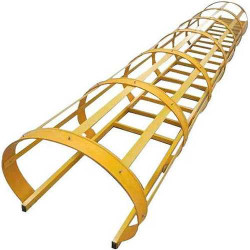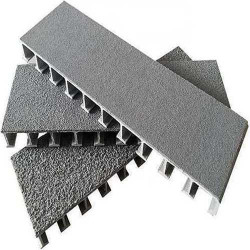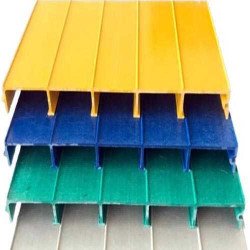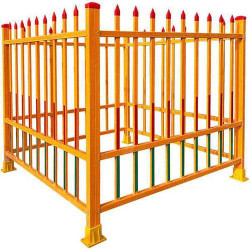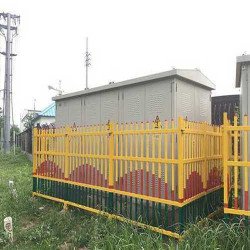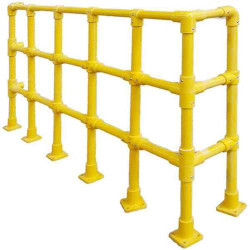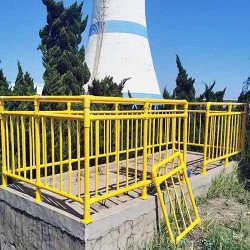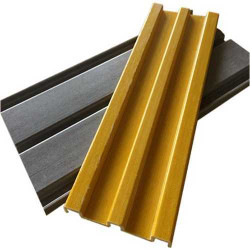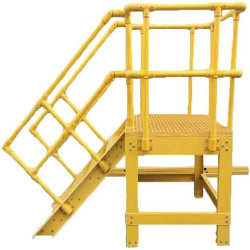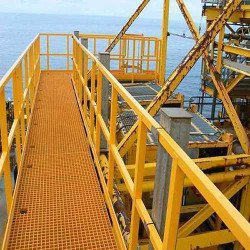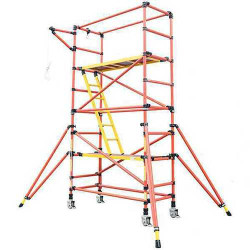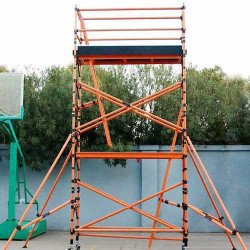
FRP access systems are modular assemblies for vertical and horizontal access in industrial environments. They typically combine fiberglass-reinforced plastic (FRP/GRP) profiles with FRP grating and access components such as fixed ladders, walkways, platforms, stairs, guardrails, and handrails. Component selection depends on the access arrangement, project layout, operating environment, and installation conditions.
What Are FRP Access Systems?
FRP access systems combine pultruded fiberglass-reinforced plastic profiles, FRP grating panels, and access components for coordinated vertical and horizontal movement. A typical system may include a fixed or cage ladder, a platform or walkway, stairs, and guardrails or handrails, depending on the required access arrangement.
FRP access components can be selected and configured according to the required height, layout, support arrangement, connection details, intended use, and installation conditions. The appropriate configuration should be reviewed for the specific project and access application.
How to Select FRP Access Components
The selection of an FRP access system begins with the type of movement required and the physical arrangement of the project. Vertical access may require a fixed ladder, cage ladder, or stairs, while horizontal access may use walkways, platforms, guardrails, or handrails.
Other selection considerations include component geometry, support and connection arrangements, available installation space, operating environment, access frequency, and project-specific requirements. The final configuration should be evaluated against the actual site conditions and applicable access requirements.
Where FRP Access Systems Are Used
FRP access systems are commonly used in chemical plants, water and wastewater facilities, offshore platforms, electrical substations, and other industrial environments where corrosion resistance and access arrangements are relevant engineering considerations.
Typical applications include elevated walkways, equipment platforms, fixed ladders, stairs, and guardrail systems for access to equipment, structures, and elevated working areas. These examples describe general industry applications rather than specific HotFRP project claims.
Frequently Asked Questions
What components are included in FRP access systems?
FRP access systems may include fixed ladders, cage ladders, walkways, platforms, stairs, guardrails, and handrails. The component combination depends on the required access route, layout, support arrangement, and intended use.
How are FRP ladders, walkways, and platforms selected?
Selection depends on the required access type, dimensions, layout, support and connection details, operating environment, and installation conditions. The selected configuration should be reviewed against the requirements of the specific project.
Can FRP access systems be configured for different project layouts?
FRP profiles and grating components can be arranged for different access layouts, subject to the selected component geometry, support conditions, connection details, and installation requirements. Project-specific dimensions and configurations should be reviewed for the intended application.
What should be considered when FRP components are modified during installation?
Field cutting, drilling, or other mechanical modification can change the finished edge condition of an FRP component. Any field modification should be reviewed for the selected component, connection arrangement, and applicable installation requirements.