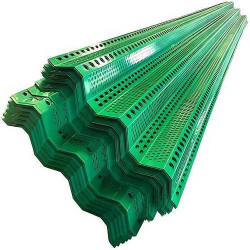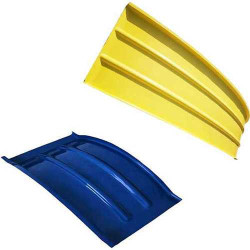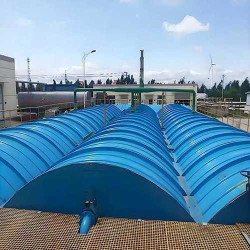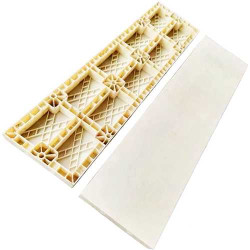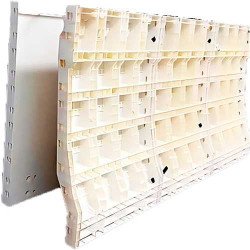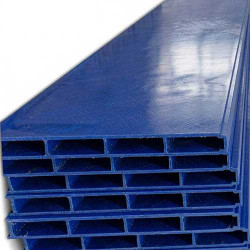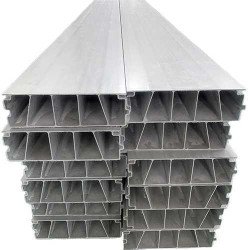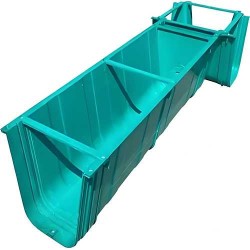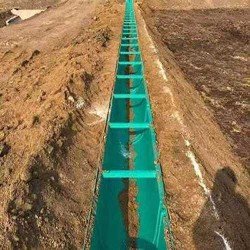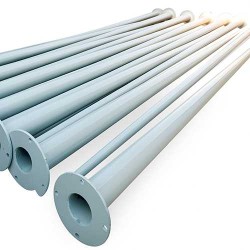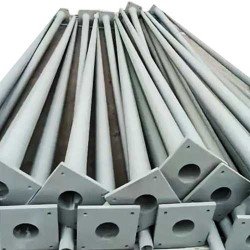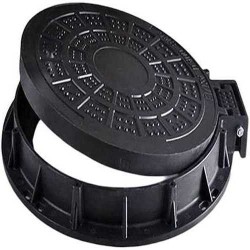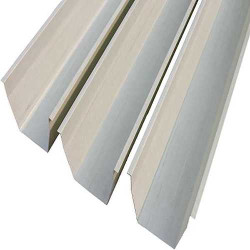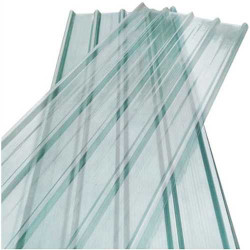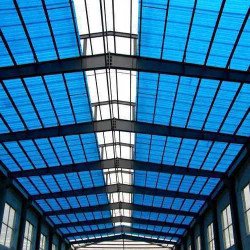
FRP (fiber-reinforced polymer) infrastructure systems are composite components used in utility, civil and related infrastructure applications. This category includes products such as fiberglass cable trays and FRP trench covers for cable management, technical channels and access areas. Selection may depend on load requirements, corrosion and chemical exposure, electrical properties, UV exposure and support conditions.
What are FRP infrastructure systems?
FRP infrastructure systems use fiber-reinforced polymer components in environments where corrosion, moisture, chemical exposure or other project conditions can affect material and product selection. Depending on the application, these components may support cable management, utility networks, technical channels or water-management structures.
Products in this category
The category covers infrastructure components such as fiberglass cable trays and FRP trench covers, together with related composite components for cable management, utility networks, technical channels and access areas. The appropriate product depends on the required function, load conditions, support arrangement and installation environment.
Key selection considerations
Selection may consider expected loads, corrosion and chemical exposure, electrical properties, UV exposure, fire performance where relevant, and support conditions. For trench covers, traffic type and the support arrangement can also affect the required cover design. For cable management applications, the installation environment and support configuration should be considered with the intended cable-routing function.
Common infrastructure environments
FRP infrastructure components may be considered for municipal water and wastewater facilities, utility infrastructure, certain power-generation installations, road and rail tunnels, and other environments where moisture, corrosion or chemical exposure can affect material selection.
Frequently asked questions
How are FRP trench covers selected for traffic loads?
Selection depends on the expected traffic type, cover design, thickness and support conditions. The installation arrangement should be evaluated together with the applicable load requirement before selecting a cover.
What affects the selection of FRP infrastructure products?
Load requirements, corrosion and chemical exposure, electrical properties, UV exposure and support conditions can all affect selection. The relevant factors depend on the product type and installation environment.