


Fiberglass Handrail Overview
Fiberglass handrail is a modular FRP railing system assembled from fiberglass reinforced plastic profiles and system components. It is used for industrial platforms, walkways, marine areas, and other environments where corrosion exposure, electrical insulation, or non-metallic construction are design considerations. Configuration depends on profile geometry, resin system, post spacing, mounting method, and project load requirements.
What Is a Fiberglass Handrail System?
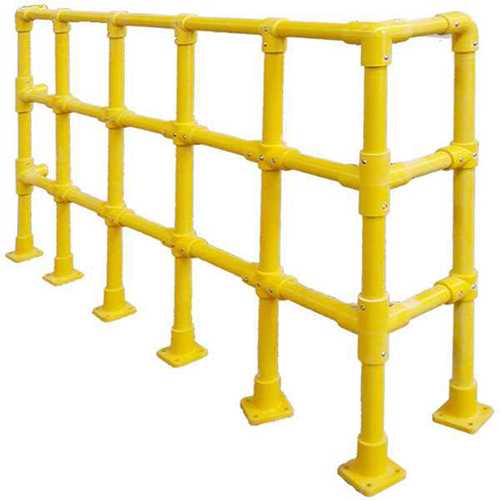
A fiberglass handrail system is a modular railing assembly made from FRP or GRP components such as top rails, mid rails, posts, base plates, and mounting brackets. Components are typically supplied as pultruded fiberglass profiles and assembled using mechanical fasteners or other specified connection methods. The system provides a non-metallic railing option for industrial, marine, and other project environments where corrosion exposure or electrical insulation is a consideration.
Key Product Facts
- Material: Glass fiber reinforcement with a thermosetting resin matrix
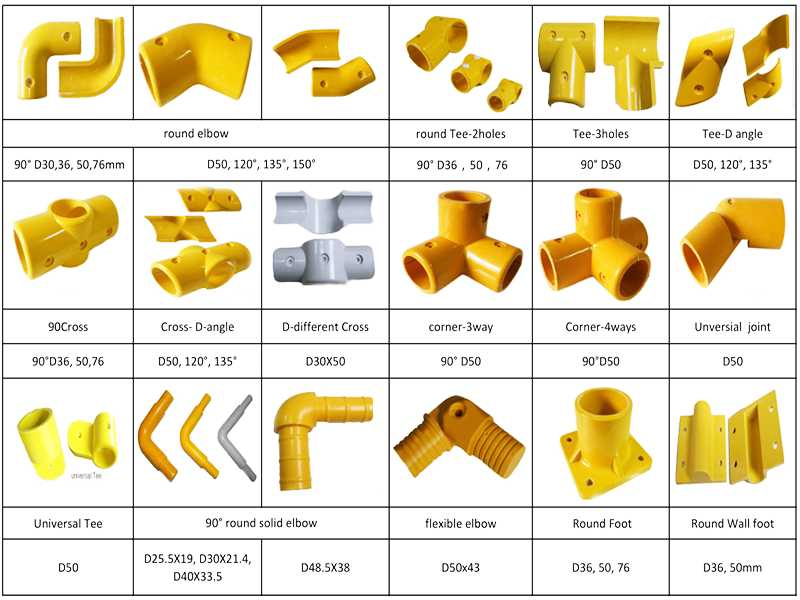
- System components: Top rails, mid rails, posts, base plates, and mounting brackets
- Profile forms: Round or rectangular rail profiles and square or round post profiles can be configured for different system layouts
- Surface finish: Smooth or textured finishes can be selected according to grip, cleanability, and appearance requirements
- Electrical behavior: FRP is generally non-conductive, while electrical behavior can vary with formulation, additives, and surface condition
- Configuration: Dimensions, resin system, component arrangement, and mounting details are specified according to project requirements
Material & Construction
Fiberglass handrail components are made from glass fiber reinforcement embedded in a thermosetting resin matrix. Pultruded profiles use continuous reinforcement within the composite section to form the rails and posts used in the railing assembly.
Resin selection depends on the intended service environment. Polyester resin systems are used for general industrial applications, while vinyl ester systems can be selected where greater chemical resistance is required. Flame-retardant resin systems can also be considered for projects with specific fire-performance requirements, subject to the selected configuration.
Rail profiles are available in round or rectangular forms, while post profiles can be square or round. Surface finish options include smooth and textured surfaces, selected according to grip, cleaning, and appearance requirements. Color and other finish options can be specified as part of the project configuration where available.
Field cutting or drilling changes the condition of factory-finished edges and openings. Exposed glass fibers should be properly sealed after field modification using a compatible resin or sealing system. Chemical exposure should be considered together with resin selection, temperature, concentration, and the actual service environment.
Applications
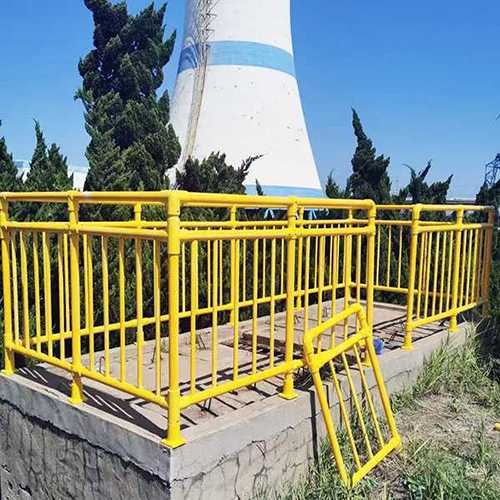
Fiberglass handrails are commonly used in areas where corrosion exposure, electrical insulation, or non-metallic construction are important design considerations. Typical applications include:
- Marine and offshore platforms, docks, and jetties
- Chemical processing plants and storage areas
- Wastewater treatment facilities and pump stations
- Industrial platforms, walkways, and access areas with chemical exposure
- Commercial and infrastructure environments with coastal or high-humidity exposure
Application suitability depends on the selected railing configuration, environmental exposure, mounting conditions, and project requirements.
Load Capacity
Fiberglass handrail load performance is configuration dependent rather than represented by a single generic value. Key variables include:
- Rail and post cross-sectional dimensions
- Post spacing and mounting method
- Resin system and operating temperature
- System height and intermediate rail arrangement
- Required design load and allowable deflection
Changing profile size, span, post spacing, mounting arrangement, or other major design variables can change the structural behavior of the system. Final load and deflection checks should therefore be based on the selected system layout and mounting conditions.
Selection Considerations
When specifying a fiberglass handrail system, engineers typically consider the following variables:
- Profile dimensions: Rail and post sizes are selected according to span, system geometry, and required structural performance.
- Resin system: Resin selection is related to chemical exposure, environmental conditions, and required service characteristics.
- Mounting method: Base plate, core mount, or surface mount arrangements can be selected according to the supporting structure and load path.
- System height and rail spacing: Layout is established according to the applicable project requirements and safety design criteria.
- Surface finish: Smooth or textured finishes can be selected according to grip, cleaning, and appearance requirements.
For project-specific layouts, the required profile dimensions, post spacing, mounting arrangement, resin system, and environmental conditions should be considered together rather than evaluated independently.
Technical Specifications
The following table summarizes the main configuration areas of fiberglass handrail systems. Specific dimensions and performance characteristics depend on the selected project configuration.
| Attribute | Typical Scope / Options | Notes |
|---|---|---|
| Material | Fiberglass Reinforced Plastic (FRP/GRP) | Thermosetting resin matrix with glass fiber reinforcement |
| Profile types | Top rail, mid rail, post, base plate, bracket | Profile dimensions and component arrangement are project specified |
| System geometry | Project specified | Includes system height, rail arrangement, post spacing, and mounting layout |
| Resin system | Polyester, vinyl ester, and selected flame-retardant systems | Selection depends on project environment and required characteristics |
| Surface finish | Smooth or textured | Selected according to grip, cleanability, and appearance requirements |
| Mounting options | Base plate, core mount, or surface mount | Selected according to substrate and load path |
| Load capacity | Configuration dependent | Depends on profile size, span, post spacing, mounting, and design load |
| Temperature performance | Varies by resin system | Consider the selected resin and actual operating environment |
| Electrical behavior | Generally non-conductive | Electrical behavior can vary with formulation, additives, and surface condition |
Project-specific technical information can be prepared based on the selected handrail configuration and application conditions.
Frequently Asked Questions
Are fiberglass handrails suitable for outdoor use?
Fiberglass handrails can be used in outdoor applications, including marine, coastal, and high-humidity environments. Resin selection, surface treatment, UV exposure, and service conditions should be considered when defining the system configuration.
How do fiberglass handrails differ from metal handrails?
Fiberglass handrails are non-metallic composite systems. Compared with metallic railing materials, their material behavior includes different corrosion, electrical, weight, and thermal characteristics. The appropriate comparison depends on the specific profile dimensions, configuration, and project requirements.
Can fiberglass handrails be customized?
Fiberglass handrail systems can be configured by profile dimensions, system height, rail arrangement, mounting method, surface finish, resin system, and other project requirements, subject to production feasibility and order conditions.
What information is needed to specify a fiberglass handrail system?
Useful project inputs include system height, rail arrangement, post spacing, mounting method, expected loads, environmental exposure, temperature range, surface finish, and color requirements. These details help define the appropriate configuration for review.
Related Products & System Components
Fiberglass handrails are often used as part of a broader FRP access and safety system. Related products may include:
- FRP platforms and walkways for elevated access areas
- Fiberglass cage ladders and stair systems for vertical access
- Mounting hardware, base plates, connectors, and fastening components
Related products can be selected according to the same project layout, environmental conditions, and installation requirements.
Engineering Inquiry
For a project-specific fiberglass handrail configuration, submit the main design and application parameters for technical review.
- System height and intermediate rail arrangement
- Post spacing and mounting method
- Expected loads and allowable deflection
- Chemical exposure and ambient temperature range
- Outdoor and UV exposure conditions
- Surface finish and color preferences


