
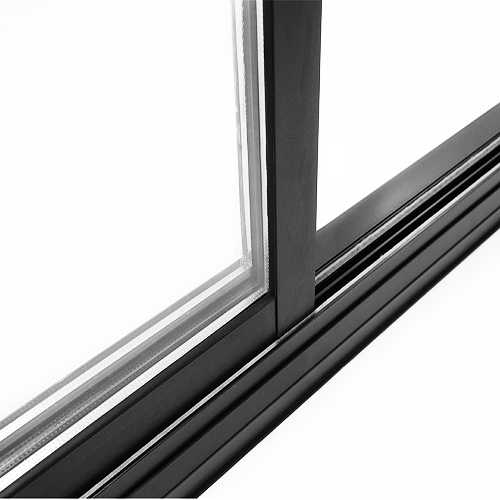


Fiberglass Door Frame Overview
Fiberglass door frames, also called FRP, GRP, or composite door frames, are door frame assemblies manufactured from glass fiber reinforcement and a thermosetting resin matrix. Pultruded profiles can be cut, machined, and assembled to suit door dimensions, wall systems, and hardware requirements. Typical application areas include commercial and industrial buildings, food processing facilities, chemical facilities, marine environments, wastewater treatment plants, and residential buildings in moisture- or corrosion-exposed locations.
What Is a Fiberglass Door Frame?
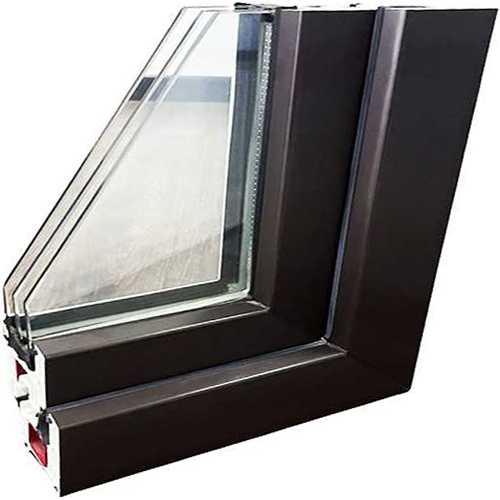
A fiberglass door frame is a door frame assembly manufactured from glass fiber reinforced polymer (FRP/GRP) profiles. It supports and positions a door leaf and can be configured for different door types, wall systems, and hardware arrangements. The frame is assembled from straight profile sections that are cut to length, machined for required openings, and joined at the corners. Depending on the profile manufacturing process, it may also be described as an FRP door frame, GRP door frame, composite door frame, or pultruded door frame.
Key Product Facts
- Material: Glass fiber reinforcement in a thermosetting resin matrix; resin systems can include polyester or vinyl ester.
- Profile construction: Straight pultruded profile sections can be cut and machined before assembly with corner joints and required hardware openings.
- Surface finish: Smooth or textured surfaces can be provided, with color introduced through resin pigmentation or post-fabrication painting.
- Electrical insulation: FRP is electrically insulating and can be considered for applications where electrical insulation is required.
- Customization: Frame width, jamb depth, profile shape, dimensions, and hardware positions can be configured according to project requirements.
- Chemical exposure: Resin selection is dependent on the chemicals, concentration, temperature, exposure conditions, and other project requirements.
Material & Construction
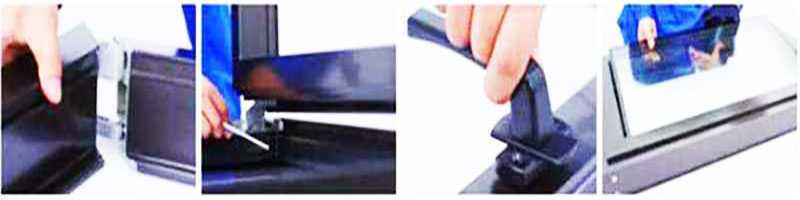
The frame is manufactured from glass fiber reinforcement embedded in a thermosetting resin matrix. The profile sections are produced continuously and then cut to the required lengths. Corner joints and hardware openings can be machined after profile production, followed by assembly into the required door frame configuration.
Resin systems can include polyester or vinyl ester, depending on the intended application and environmental conditions. Color can be introduced through resin pigmentation during profile production or applied to the finished frame by painting. Surface finish and color requirements can therefore be specified as part of the project configuration.
When field cutting or drilling is required, exposed edges should be sealed with a compatible resin or suitable protective system to help maintain the protective condition of the fabricated profile.
Typical Applications
Fiberglass door frames can be considered for commercial, industrial, marine, and residential applications where the project involves moisture, chemical exposure, electrical insulation requirements, or other environmental considerations. Typical application areas include:
- Food and beverage processing facilities
- Chemical manufacturing and storage facilities
- Pharmaceutical laboratories and cleanroom environments
- Marine and port infrastructure
- Warehouses and logistics facilities
- Hospitals and hygiene-sensitive buildings
- Water and wastewater treatment facilities
- Residential buildings in coastal or high-humidity areas
- Educational and public-use commercial buildings
Frame selection for a specific application depends on door weight, door type, usage frequency, chemical exposure, humidity, wall construction, and installation conditions.
Selection Considerations
When selecting a fiberglass door frame, consider the following project-specific factors:
- Door and load requirements: Load capacity depends on profile dimensions, wall thickness, door type, and support conditions. Provide the expected door weight and usage requirements for project-specific sizing review. ```
- Resin system: Polyester and vinyl ester systems can be considered according to the expected chemical exposure and environmental conditions. Chemical concentration, temperature, exposure duration, and other relevant conditions should be provided for resin selection.
- Surface finish and color: Smooth or textured surfaces can be specified. Color can be integrated during profile production through resin pigmentation or applied after fabrication by painting.
- Fire performance requirements: Fire-retardant resin options can be considered where fire-performance requirements apply. Specify the project requirement during inquiry so the appropriate material configuration can be evaluated.
- Customization: Frame dimensions, profile shape, jamb depth, and hardware positions can be configured according to project requirements. Drawings or dimensional information can be provided for review.
- Installation conditions: Frame configurations can be adapted to different wall systems, including concrete, composite panels, metal partitions, or drywall, subject to the required installation method and project configuration.
- Field modification: Where cutting or drilling is required on site, exposed profile edges should be appropriately sealed after modification. ```
Technical Specifications
Common configuration options are summarized below. Dimensions, profile geometry, and other project-specific requirements are confirmed according to the door, wall system, and installation conditions.
- Material: FRP/GRP composite using glass fiber reinforcement and a thermosetting resin matrix
- Resin options: Polyester or vinyl ester systems, subject to application requirements
- Profile construction: Pultruded straight sections with machined corner and hardware connection areas
- Surface finish: Smooth or textured; paintable after fabrication
- Color options: Resin pigmentation or painted finish
- Dimensions: Custom frame width, thickness, profile geometry, and jamb depth
- Load capacity: Configuration dependent on profile dimensions, reinforcement, door type, and support conditions
- Chemical resistance: Dependent on resin system and actual chemical exposure conditions
- Fire performance: Fire-retardant resin options can be considered where required by the project
- Installation compatibility: Concrete, composite panel, metal, or drywall wall systems, subject to project configuration
For project-specific dimensional review, load calculations, or configuration assessment, provide the door type, door dimensions, wall system, expected load, and environmental conditions.
Frequently Asked Questions
Can fiberglass door frames be used in industrial applications?
Yes. Fiberglass door frames can be considered for industrial applications involving moisture, chemical exposure, electrical insulation requirements, or other environmental conditions. Frame configuration should be selected according to the door, wall system, loading requirements, and exposure conditions.
What affects the chemical resistance of a fiberglass door frame?
Chemical resistance depends primarily on the selected resin system and the actual exposure conditions. Chemical type, concentration, temperature, exposure duration, and other project conditions should be considered when selecting the frame configuration.
Can the fiberglass door frame be painted?
Yes. The finished frame can be painted after fabrication. Color can also be introduced during profile production through resin pigmentation. The preferred finish and color can be specified during inquiry.
Can fiberglass door frames be customized?
Yes. Frame dimensions, profile shape, jamb depth, and hardware positions can be configured according to project requirements. Drawings or dimensional information can be provided for project-specific review.
Are fiberglass door frames suitable for residential applications?
They can be considered for residential applications, including buildings in coastal or high-humidity environments. The appropriate profile configuration, resin system, surface finish, and installation method depend on the specific building and environmental conditions.
Engineering Inquiry
For project-specific dimensional review, load assessment, or resin selection, submit the following information so the frame configuration can be evaluated against the application requirements.
- Door type and dimensions
- Wall system and installation method
- Expected door weight and usage requirements
- Chemical exposure and ambient conditions, where applicable
- Surface finish and color requirements
- Fire performance requirements, where applicable


