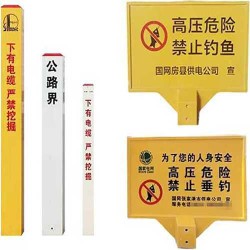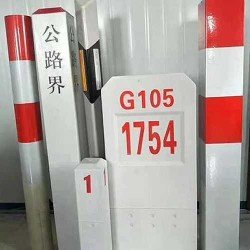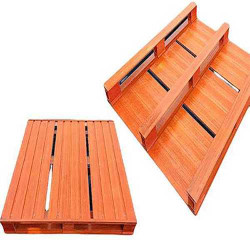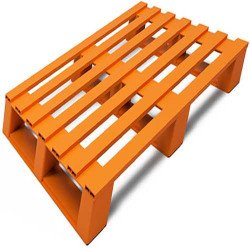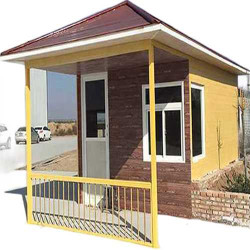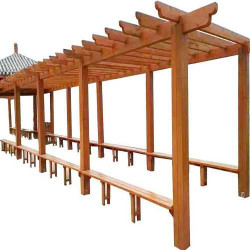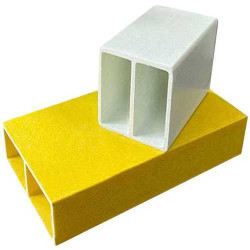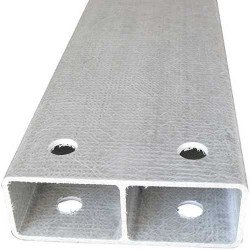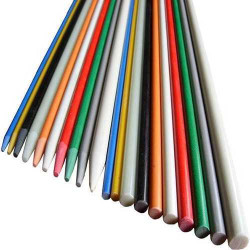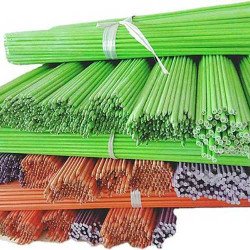
FRP structural supports are fiber-reinforced polymer components used for purlins, stakes, framing supports, and related structural support applications. Depending on the product and required configuration, they may be supplied as pultruded profiles or molded FRP shapes. Selection typically starts with span, loading, allowable deflection, support conditions, profile geometry, environmental exposure, and connection requirements.
Product Family Overview
Fiberglass structural supports cover a range of FRP components used to support panels, frames, equipment, or other structural elements. Depending on the product configuration, the family may include purlins, stakes, framing supports, and other FRP profiles or molded shapes.
Purlins can be used to support roof or panel systems, while stakes and framing supports can be used in anchoring or structural assembly applications. The product form and configuration depend on the required geometry, loading conditions, installation method, and project environment.
FRP and steel have different stiffness characteristics. For FRP structural supports, allowable deflection should be assessed together with span, loading, support conditions, and profile geometry rather than by material name alone.
Selection Considerations
- Span and loading – required span, applied loading, and support conditions establish the basic structural requirements for the support configuration.
- Allowable deflection – project deflection criteria should be considered together with span, loading, profile stiffness, and support spacing.
- Profile geometry – section shape and dimensions affect stiffness, connection detailing, and the resulting support configuration.
- Environmental exposure – chemical exposure, moisture, temperature, and outdoor conditions should be considered when evaluating the resin system and material configuration.
- Connection method – bolted, bonded, or other connection arrangements may require different detailing and installation considerations.
- Long-term loading – creep and environmental conditions should be considered where sustained loads or extended service exposure apply.
Frequently Asked Questions
Are FRP purlins as stiff as steel?
FRP and steel have different stiffness characteristics because their material properties and structural behavior differ. For FRP purlins, allowable deflection should be assessed together with span, loading, support conditions, and profile geometry. The required configuration is therefore dependent on the actual project conditions.
Can FRP structural supports be used in soil-contact applications?
FRP structural supports can be considered for soil-contact applications where the surrounding environment is part of the design assessment. Suitability depends on the resin system, soil chemistry, moisture conditions, installation method, and long-term loading. The required configuration should be evaluated against the actual project conditions.
What information is needed to select an FRP structural support?
Key inputs include the required span, loading, allowable deflection, support arrangement, profile geometry, environmental exposure, resin system, and connection method. These project inputs help determine the appropriate support configuration rather than selecting by material type alone.
Are FRP structural supports available in different configurations?
Configuration options can include different profile shapes, dimensions, resin systems, and connection arrangements depending on the product and project requirements. Available options should be confirmed for the required application and configuration.