
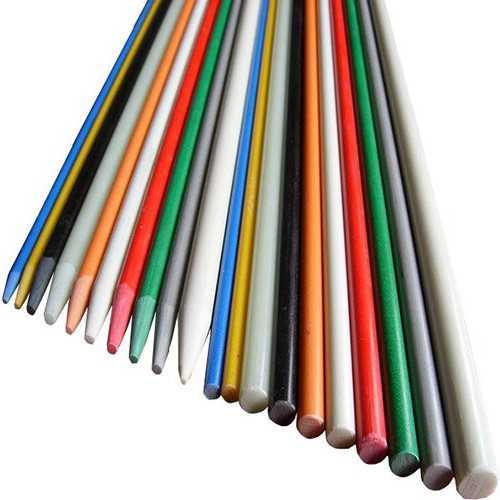
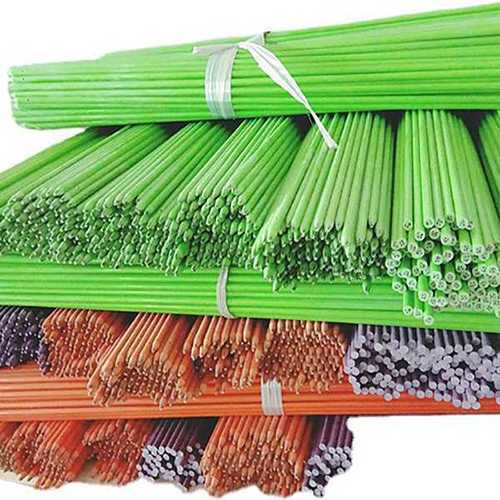


Fiberglass Stake Overview
Fiberglass stakes, also known as FRP stakes, GRP stakes, fiberglass marker stakes, or composite stakes, are rod-shaped components used for ground support, marking, positioning, and anchoring. Made from fiberglass reinforced polymer (FRP / GRP), they are non-metallic and non-conductive, with resistance to moisture and corrosion. Common applications include surveying, utility marking, agricultural support, construction layout, and other outdoor installations.
What Is a Fiberglass Stake?
A fiberglass stake is a rod-like composite component designed for ground support, marking, positioning, and anchoring. It combines continuous glass fiber reinforcement with a thermosetting resin matrix to provide longitudinal reinforcement and mechanical strength without the corrosion associated with steel. FRP is also non-conductive and has low moisture absorption, making fiberglass stakes suitable for applications where non-metallic construction and environmental resistance are relevant requirements.
Key Product Facts
- Material: Fiberglass Reinforced Plastic (FRP / GRP)
- Construction: Pultruded composite profile with continuous glass fiber reinforcement
- Electrical properties: Non-conductive
- Standard lengths: 600 mm to 2400 mm, with custom lengths available
- Diameter range: 6 mm to 20 mm, with other diameters available
- Surface options: Smooth or textured finish
- Color options: Standard and custom industrial colors
Material & Construction
The stake consists of continuous glass fiber rovings embedded in a thermosetting resin matrix. Pultrusion places the reinforcing fibers primarily along the length of the profile, creating a consistent composite structure suited to rod-shaped support, marking, positioning, and anchoring applications.
Resin systems can include polyester or vinyl ester, depending on the required configuration and environmental exposure. UV-stabilized formulations and integrated pigmentation may also be specified for applications requiring prolonged outdoor exposure and visible colors.
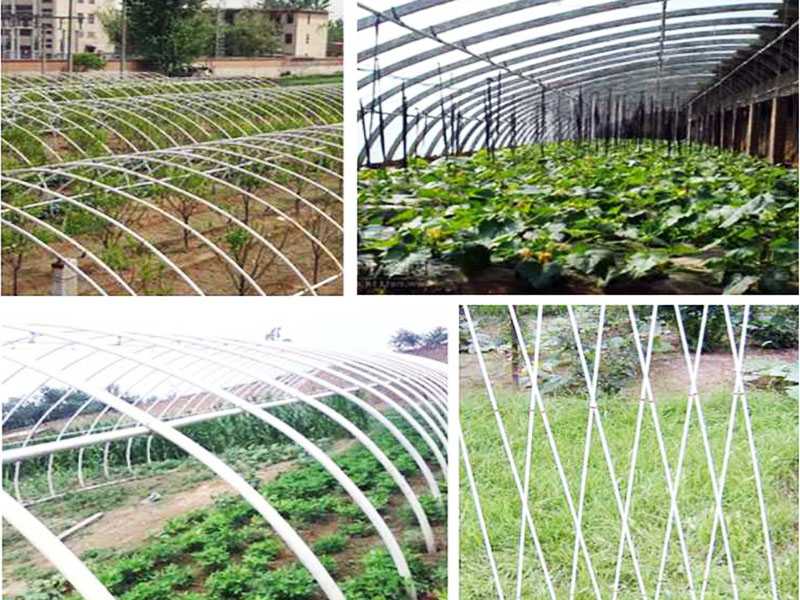
Typical Applications
Fiberglass stakes are used across outdoor, agricultural, surveying, utility, construction, and industrial applications. Common uses include agricultural crop and plant support, surveying reference points, construction site layout, boundary and route marking, underground utility identification, road and civil engineering projects, environmental land management, and ground anchoring or positioning where the selected stake configuration is appropriate for the installation conditions.
Selection Considerations
Several factors should be considered when selecting a fiberglass stake:
- Length and diameter: The required dimensions depend on embedment depth, ground conditions, installation method, and expected lateral or vertical loads. Larger diameters generally provide greater stiffness within the same material system.
- Installation method: Stakes may be installed by hand, with mechanical equipment, or by setting them in concrete, depending on the application. The selected geometry should suit the installation method and substrate.
- Environmental exposure: Resin selection should reflect the expected moisture, chemical, UV, and outdoor exposure conditions. Vinyl ester systems may be considered for applications requiring higher chemical resistance, subject to the selected formulation.
- Visibility requirements: High-visibility colors such as orange, yellow, or other specified colors can be used where clear marking or identification is required.
- Electrical properties: The non-conductive nature of FRP can be relevant in applications where metallic stakes are undesirable because of their electrical conductivity.
Engineering Data
Mechanical properties such as tensile strength and flexural modulus vary with stake diameter, fiber content, resin system, and configuration. Applicable engineering data can be reviewed for the selected product configuration based on the intended installation and loading conditions.
Technical Specifications
| Property | Standard Options / Values |
|---|---|
| Material | Fiberglass Reinforced Plastic (FRP / GRP) |
| Standard lengths | 600 mm to 2400 mm, with custom lengths available |
| Diameter range | 6 mm to 20 mm, with other diameters available |
| Surface options | Smooth or textured finish |
| Color options | Standard and custom industrial colors |
| Resin options | Polyester or vinyl ester, subject to configuration |
| Electrical properties | Non-conductive |
| Environmental resistance | Resistance to moisture and corrosion; UV performance depends on formulation and exposure conditions |
Frequently Asked Questions
Can fiberglass stakes be used for long-term outdoor applications?
Fiberglass stakes are commonly used outdoors because FRP resists corrosion and moisture. Outdoor performance depends on the resin system, UV exposure, ground conditions, installation method, and other service conditions.
Can fiberglass stakes be used for utility marking?
Yes. Fiberglass stakes can be used for utility route identification, boundary marking, and other site-marking applications. Their non-metallic and non-conductive construction can be relevant where metal marking stakes are not preferred.
What agricultural applications use fiberglass stakes?
Typical agricultural uses include crop support, plant support, row or boundary marking, and positioning. The required stake dimensions depend on the plant structure, embedment depth, installation method, and expected loads.
Can fiberglass stakes be used for ground anchoring?
Fiberglass stakes can be used for certain ground anchoring and positioning applications where the selected dimensions, installation method, embedment, ground conditions, and expected loads are compatible with the application.
Are different fiberglass stake sizes available?
Standard lengths and diameters are available, with custom dimensions possible depending on the required configuration and project requirements.
Related Products & System Components
Fiberglass stakes may be used together with other FRP components for marking, support, positioning, and site applications. Related products can include:
- Fiberglass rod and bar stock for custom fabrication
- FRP fence posts and U-channels for perimeter marking
- Fastening clips and ties for attaching signs, markers, or support components
Related product families can also be reviewed through the FRP Reinforcement overview.
Engineering Inquiry
For project-specific sizing, material selection, or configuration review, provide the main application and installation parameters:
- Required stake length and diameter
- Installation method, such as hand-driven, mechanically installed, or set in concrete
- Ground or substrate conditions and environmental exposure
- Required color and visibility characteristics
- Expected lateral or vertical loads
- Project quantity and delivery requirements


