FRP building envelope systems cover daylighting roof panels and wall cladding panels used in building enclosure applications. Selection depends on factors such as light transmission, wind loads and uplift, UV exposure, panel construction, thickness, profile, support conditions, and project requirements.
Product Family Overview
FRP building panels in this category include daylighting roof panels and wall cladding panels for building envelope applications.
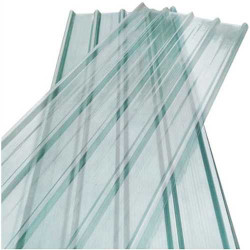
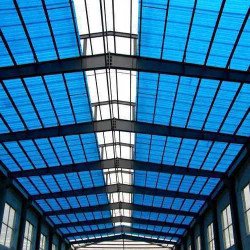
Daylighting roof panels are selected where controlled natural light is part of the building enclosure requirements. Light transmission, panel construction, wind loads, UV exposure, and support conditions are relevant to selection.
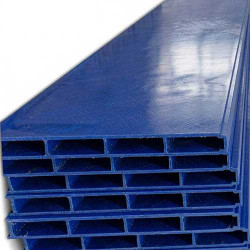
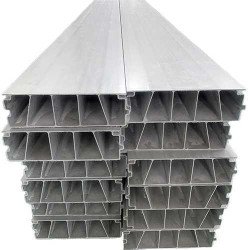
Wall cladding panels are used for building enclosure applications where panel construction, thickness, profile, wind loads, UV exposure, and support conditions need to be considered together.
Selection Considerations
- Light transmission – an important consideration for daylighting applications and the intended interior light level.
- Wind loads and uplift – should be evaluated against project design loads, support conditions, and applicable local building requirements.
- UV exposure – should be considered in relation to the panel formulation, surface protection, and application environment.
- Panel construction, thickness, and profile – should be considered together with support conditions and design loads when evaluating panel suitability.
Frequently Asked Questions
Do FRP daylighting panels yellow over time?
UV exposure can affect the appearance and light transmission of FRP daylighting panels over time. The selection of UV stabilization or surface protection should be considered in relation to the specified panel construction, exposure conditions, and installation environment.
Can FRP panels be used where fire performance requirements apply?
Fire performance depends on the resin system, panel construction, product-specific data, and applicable building requirements. Where fire performance is a project requirement, the relevant evidence should be verified for the specified panel configuration before selection.