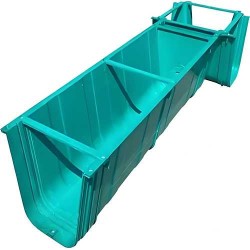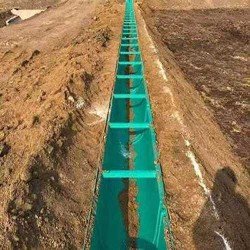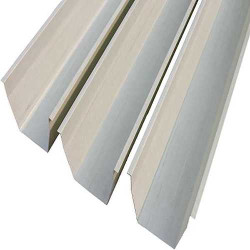
FRP water management systems may include drainage channels, irrigation channels, flumes, and trench covers, depending on the application. Selection depends on the component function, hydraulic requirements, service environment, installation conditions, and surface requirements.
Product Family Overview
FRP water management components may include drainage channels, irrigation channels, flumes, and trench covers for different water conveyance and access conditions. Drainage and irrigation channels are used to convey or manage water, while flumes are used where open-channel flow control or measurement is part of the application. Trench covers provide access over drainage or service openings. Product configuration and material selection depend on the intended use and project conditions.
Selection Considerations
- Chemical exposure – may affect material-system and product-configuration selection where water contains chemicals or other aggressive substances.
- Hydraulic flow rate – influences channel geometry, capacity requirements, and required slope.
- Soil and ground loads – are relevant when FRP components are installed in buried or ground-supported applications.
- Traffic and access conditions – are important for trench covers used in pedestrian or vehicle-access areas.
- Surface configuration – should be considered where wet conditions, foot traffic, or slip-resistance requirements affect the intended application.
Frequently Asked Questions
Can FRP water management components be used with hot water or chemicals?
FRP suitability for hot water or chemical exposure depends on the resin system, product configuration, temperature, chemical concentration, exposure conditions, and service environment. Specific compatibility should be evaluated against the product information for the selected configuration and the conditions of the intended application.
Can FRP trench covers be supplied with slip-resistant surfaces?
Slip-resistant surface requirements can be considered when selecting FRP trench covers for wet areas or pedestrian-access conditions. The appropriate surface configuration depends on the selected product design, expected use, and project requirements.