


Fiberglass Rod Overview
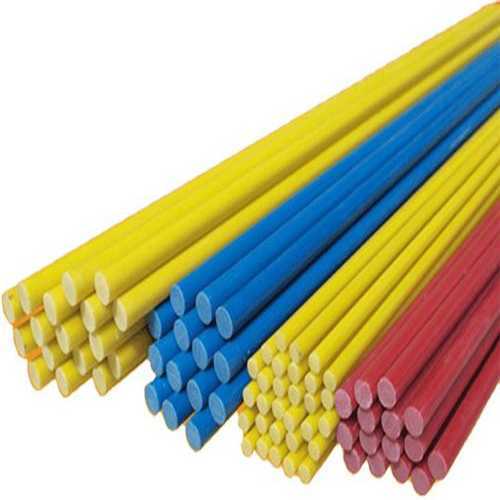
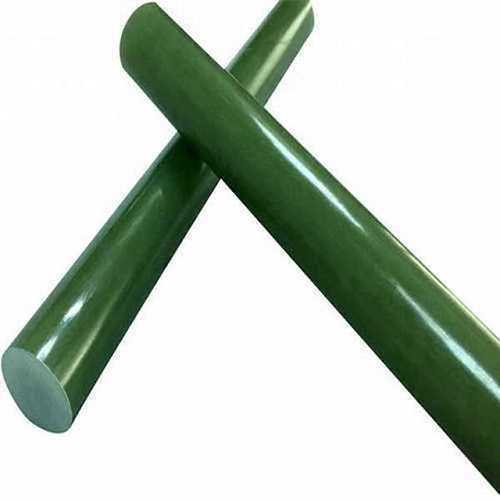
Fiberglass rods, also known as FRP rods or solid composite round profiles, are pultruded round profiles made from continuous glass fiber reinforcement and a thermosetting resin matrix. They are used for structural reinforcement, electrical insulation, agricultural applications, and other industrial uses where corrosion resistance, electrical isolation, or low weight are relevant. Diameter, length, resin system, and surface finish can be specified for project requirements.
What Is a Fiberglass Rod?
A fiberglass rod is a solid round composite profile used for structural reinforcement, electrical insulation, component fabrication, and other applications requiring a non-metallic material. Its pultruded construction aligns continuous glass fibers along the rod length, while the resin matrix forms the surrounding composite structure. Typical applications include industrial components, electrical installations, agricultural applications, and OEM parts.
Key Product Facts
- Material: Glass fiber reinforced polymer (FRP / GRP)
- Manufacturing process: Pultrusion
- Cross-section: Solid round rod
- Diameter options: 2 mm to 50 mm; custom sizes available
- Length options: 1 m to 6 m; continuous spools for small diameters
Material & Construction
Fiberglass rods are manufactured by the pultrusion process, in which continuous glass fiber rovings are pulled through a resin system and then formed through a heated die to create a straight composite profile. The continuous fiber arrangement runs along the rod length and supports consistent profile geometry and directional reinforcement.
The resin matrix surrounds the glass fibers and contributes to resistance to moisture, chemicals, and outdoor exposure. Resin options include polyester for general applications, vinyl ester for applications requiring additional chemical resistance, and epoxy for specified mechanical requirements. Surface options can include smooth, matte, or grit-coated finishes depending on the intended use.
Typical Applications
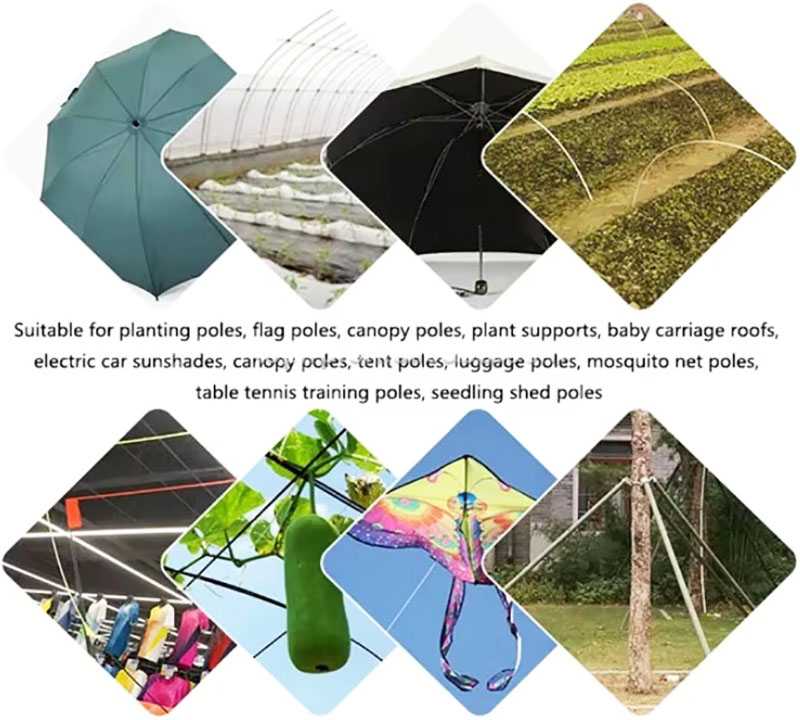
Fiberglass rods are used across industrial, commercial, infrastructure, and agricultural applications where a non-metallic profile with corrosion resistance, electrical insulation, or low weight is relevant. Common application areas include electrical utilities, telecommunications, construction, marine structures, agriculture, and OEM component manufacturing.
In agriculture, fiberglass rods can be specified for applications where composite rod geometry, material resistance, and project-specific installation requirements fit the intended use. The same basic rod form can also be incorporated into structural, electrical, and fabricated components.
The rods can be cut, drilled, or bonded using established FRP fabrication practices. Selection and fabrication should consider the required diameter, resin system, surface finish, and installation conditions.
Selection Considerations
When specifying a fiberglass rod, the following factors typically influence product selection:
- Diameter and length: The required cross-section and length depend on the intended load, span, handling requirements, and installation geometry.
- Resin type: Resin selection affects resistance to chemicals, temperature exposure, moisture, and the electrical characteristics of the composite. Options include polyester, vinyl ester, and epoxy.
- Surface finish: Smooth, matte, or grit-coated surfaces can be specified according to bonding, handling, or surface-contact requirements.
- Environmental exposure: For outdoor applications, UV-stabilized resin systems can be specified. For chemical exposure, the resin system should correspond to the chemicals and exposure conditions involved.
- Electrical requirements: Where electrical insulation is required, resin formulation and fiber composition should be selected according to the application and installation conditions.
Technical Specifications
| Property | Options / Values |
|---|---|
| Material | Glass fiber reinforced polymer (FRP / GRP) |
| Manufacturing process | Pultrusion |
| Diameter range | 2 mm to 50 mm; custom sizes available |
| Length options | 1 m to 6 m; continuous spools for small diameters |
| Glass fiber type | E-glass; S-glass options may be available for specified applications |
| Resin options | Polyester, vinyl ester, epoxy |
| Surface finish | Smooth, matte, grit-coated |
| Color options | Yellow, white, black, green, red, custom RAL colors |
Mechanical properties, density, and temperature limits vary with fiber content, resin system, rod geometry, and selected configuration.
Frequently Asked Questions
When are fiberglass rods used for structural reinforcement?
Fiberglass rods are used for structural reinforcement when a solid composite round profile fits the required geometry, load conditions, and environmental requirements. Diameter, length, support arrangement, and installation conditions influence rod selection.
Are fiberglass rods suitable for electrical insulation applications?
Fiberglass rods can be used as non-metallic components where electrical insulation is required. The appropriate resin system and fiber composition depend on the electrical and environmental requirements of the application.
Are fiberglass rods used in agriculture?
Yes. Fiberglass rods are used in agricultural applications where a solid composite rod is suitable for the intended structure, component, or installation. Diameter, length, resin system, and surface finish can be selected according to project requirements.
Are fiberglass rods suitable for outdoor applications?
Fiberglass rods can be specified for outdoor applications with resin systems selected according to the expected UV exposure, moisture, temperature, and other environmental conditions.
Can resin or fiber options be customized?
Resin type, glass fiber type, surface finish, diameter, length, and color can be specified according to available product configurations and project requirements.
Related Products & System Components
Fiberglass rods can be used alongside other FRP structural profiles and components. Common related items include:
- FRP structural shapes such as channels, angles, and tubes
- Fiberglass grating panels for platforms and walkways
- Fastening hardware and connection accessories
For compatible products and system-level selection, you may also review our Fiberglass Purlin or Fiberglass Pultruded Bar Grating pages for related FRP products.
Engineering Inquiry
For technical data requests, load calculations, or project-specific drawings, provide the main application and configuration requirements. The following information can help define a suitable fiberglass rod configuration:
- Required diameter and length
- Expected tensile or flexural loads
- Environmental exposure (chemical, UV, temperature)
- Electrical insulation requirements
- Surface finish preference
- Quantity and target delivery schedule


