
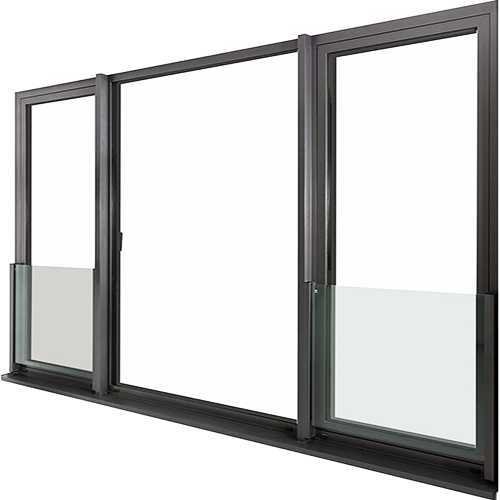
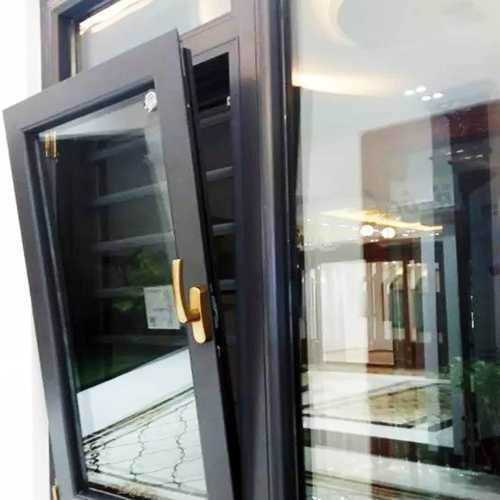


Polyurethane Doors & Windows Overview
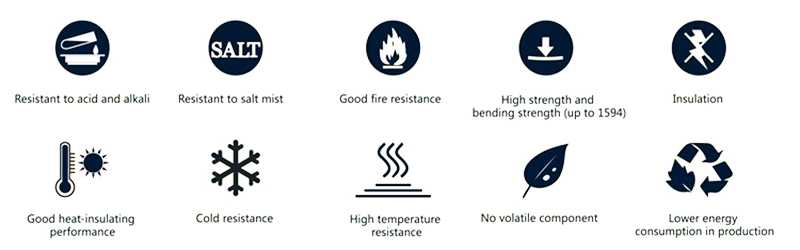
Polyurethane doors and windows are insulated building envelope assemblies that combine a rigid polyurethane core with composite surface materials. The polyurethane core provides thermal insulation, while the surface layers contribute to the construction and protection of the assembly. FRP, GRP, or other composite surface options can be used depending on the configuration. Typical applications include industrial and commercial buildings where thermal insulation, moisture resistance, and dimensional stability are project considerations.
Product Definition
Polyurethane doors and windows are composite door and window systems consisting of a rigid polyurethane insulating core combined with reinforced composite surface materials. Depending on the configuration, the surface materials may include fiberglass reinforced plastic (FRP), glass reinforced plastic (GRP), or other composite panels.
The assembly is used in building envelope applications where thermal insulation, moisture resistance, and dimensional stability are required considerations.
Key Product Facts
- Core material: Rigid polyurethane foam.
- Surface materials: FRP, GRP, or other composite panels, depending on configuration.
- Product type: Insulated door and window assemblies for building envelope applications.
- Typical use: Door and window openings in industrial and commercial buildings.
- Thermal function: The rigid polyurethane core provides thermal insulation within the assembly.
Material & Construction
The product combines a rigid polyurethane core with composite surface layers. The polyurethane core provides thermal insulation and contributes to the overall stiffness of the assembly. Surface materials form the exposed composite construction and can be selected according to moisture, environmental, and application requirements.
FRP, GRP, and other composite panel options may be used depending on the required construction. Panel thickness, frame design, sealing system, and other assembly details depend on the dimensions, thermal requirements, structural conditions, and intended environment of the project.
Applications
Polyurethane doors and windows are used in building environments where thermal insulation, moisture resistance, and dimensional stability are project considerations. Common application environments include:
- Manufacturing plants and industrial facilities
- Cold storage and temperature-controlled warehouses
- Food processing and pharmaceutical facilities
- Commercial buildings and institutional facilities
- Clean rooms and controlled-environment laboratories
- Prefabricated and modular construction projects
Selection Considerations
Typical selection variables for polyurethane doors and windows include:
- Panel thickness and composition relative to the required thermal performance
- Surface material compatibility with the intended environment, including chemical exposure, moisture, and UV conditions
- Door or window dimensions and structural wind load requirements
- Frame and sealing system design for air and water tightness
- Hardware compatibility including hinges, locks, and closers
- Fire performance requirements and applicable building codes
- Installation method and interface with the surrounding building structure
- Acoustic insulation requirements where applicable
The selected configuration should correspond to the dimensions, environmental exposure, thermal requirements, structural conditions, and other project parameters.
Technical Specifications
The following table summarizes the material and configuration characteristics described for polyurethane doors and windows. Specific performance values depend on the actual assembly configuration.
| Characteristic | Description |
|---|---|
| Core material | Rigid polyurethane foam |
| Surface materials | FRP, GRP, or composite panels, depending on configuration |
| Frame type | Polyurethane-framed or composite-framed options |
| Insulation function | Provided by the rigid polyurethane core; overall thermal performance depends on the complete assembly |
| Moisture considerations | Depend on the surface material, frame construction, and sealing system |
| Temperature considerations | Extreme temperature applications require specific material and assembly selection |
| Project configuration | Dimensions, surface finishes, hardware interfaces, and other assembly details vary with project requirements |
Numeric performance data, where required, should correspond to the actual door or window configuration being considered.
Frequently Asked Questions
Are polyurethane doors suitable for exterior industrial use?
Polyurethane doors can be used in exterior industrial applications when the selected composite surface materials, frame construction, sealing system, and other assembly details correspond to the environmental conditions. Moisture, UV exposure, and temperature variation are relevant selection factors.
How do polyurethane doors and windows contribute to thermal performance?
The rigid polyurethane core provides thermal insulation within the door or window assembly. The thermal performance of the complete system also depends on panel or frame construction, glazing where applicable, sealing, and installation conditions.
Can these systems be configured for project requirements?
Door and window dimensions, panel construction, surface finishes, and hardware interfaces can vary according to project requirements. The available configuration depends on the specific design and application.
What is the difference between polyurethane doors and traditional steel doors?
Polyurethane door systems use a rigid polyurethane insulating core combined with composite construction, while traditional steel doors use a predominantly steel-based construction. The two systems therefore have different material structures and should be considered according to the thermal, structural, environmental, and functional requirements of the project.
Related Products
Polyurethane doors and windows are part of the HotFRP building envelope product range. Related products include:
For other FRP profiles and structural products, you may also visit the FRP Grating Systems or Fiberglass Cable Tray pages.
Engineering Inquiry
For a project inquiry, provide the key door or window requirements below so the proposed configuration can be matched to the intended application:
- Required door or window dimensions
- Thermal performance requirements, such as U-value or equivalent criteria
- Wind load and structural requirements
- Expected environmental exposure, including moisture, chemicals, UV, and temperature conditions
- Hardware and locking requirements
- Fire performance requirements if applicable
- Approximate quantity and delivery schedule


