
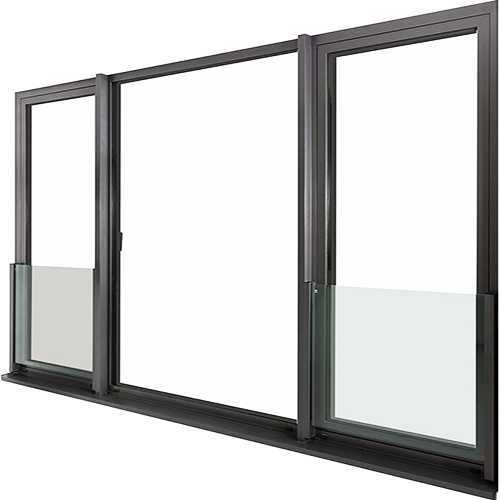
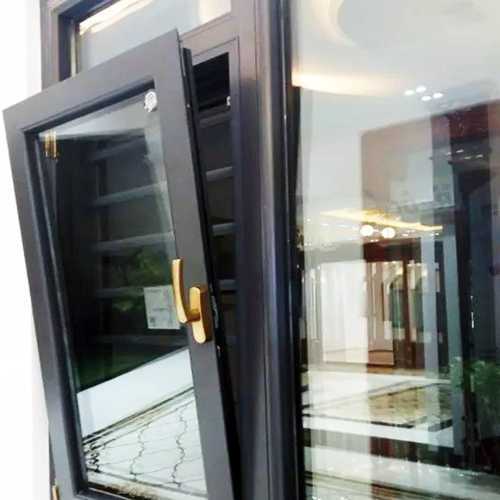


Polyurethane Doors & Windows Overview
Glass fiber-reinforced polyurethane (PU) doors and windows use pultruded composite profiles made from continuous glass fiber reinforcement embedded in a polyurethane matrix. Depending on the system configuration, these profiles may serve as framing members in window frames, sashes, door frames, or other designated sections.
The complete door or window assembly may also include glazing, seals, hardware, fasteners, connections, and installation interfaces. Its structural, thermal, and weather-related performance depends on the selected profiles and the configuration of the entire assembly.
This product category concerns door and window systems based on glass fiber-reinforced polyurethane pultruded profiles. It is distinct from conventional doors that use rigid polyurethane foam as an insulating core between facing materials.
Material Composition and Profile Construction
In glass fiber-reinforced polyurethane profiles, continuous glass fibers provide reinforcement while polyurethane forms the polymer matrix. Pultrusion is a continuous manufacturing process in which reinforcement is drawn through a resin system and a forming die to produce a profile with a defined cross-section. The actual manufacturing process depends on the material system and production configuration.
For door and window applications, the profile cross-section must accommodate its intended structural role and the interfaces needed for glazing, seals, hardware, fasteners, and assembly. Reinforcement arrangement, wall thickness, matrix formulation, and profile geometry should therefore be considered together rather than treating the material designation alone as a performance specification.
Material Characteristics Relevant to Selection
Glass fiber-reinforced polyurethane profiles are a composite-material option for door and window framing. Their relevance depends on the relationship between the profile design, the required frame performance, and the other components of the complete assembly.
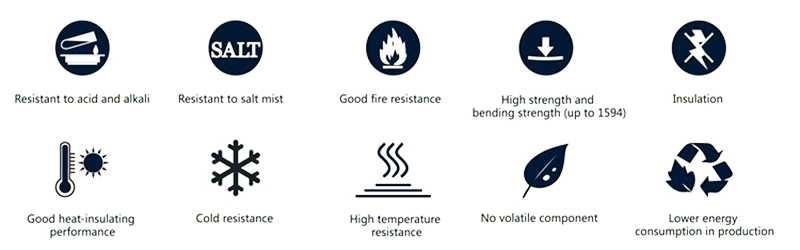
- Thermal behavior: PU-matrix composite profiles may have lower thermal conductivity than conventional steel or aluminum framing sections. The effect on the complete window or door depends on profile geometry, glazing, spacers, seals, joints, and installation details.
- Structural behavior: Continuous glass fiber reinforcement contributes to the stiffness and load-carrying behavior of a composite profile. The properties of a particular section depend on its reinforcement arrangement, dimensions, geometry, and applied loads.
- Dimensional compatibility: Thermal expansion and other dimensional changes can affect the interfaces between profiles, glazing, seals, fasteners, and adjoining building materials. These relationships should be considered during system design.
- Environmental exposure: The polyurethane matrix, profile surface, protective finish, seals, adhesives, and hardware should be evaluated against the expected moisture, UV exposure, temperature variation, and other site conditions.
These characteristics are design considerations, not guaranteed ratings for every PU pultruded profile or door and window assembly. Product-specific conclusions require evidence relevant to the actual material, profile configuration, and intended application.
Applications and System Integration
Glass fiber-reinforced polyurethane pultruded profiles may be considered for door and window applications in residential, commercial, and institutional buildings. Potential use depends on the required frame design, structural conditions, thermal requirements, environmental exposure, and installation details.
For door and window manufacturers, profile evaluation also involves the interfaces between the pultruded sections and the selected glazing, seals, hardware, connections, and assembly methods. A profile suitable for one configuration should not automatically be assumed suitable for another.
Application suitability should be assessed against the opening dimensions, selected profile, glazing configuration, design loads, environmental conditions, installation method, and requirements applicable to the project location.
PU Pultruded Profiles Compared with Other Frame Materials
Polyurethane-matrix pultruded profiles and other fiber-reinforced plastic (FRP) profiles may both contain continuous glass fiber reinforcement, but their resin systems differ. The matrix chemistry can influence manufacturing requirements and the resulting material characteristics. Polyester- or vinyl-ester-based FRP profiles should not be treated as interchangeable with polyurethane-matrix profiles solely because both are fiber-reinforced composites.
Aluminum, steel, PVC, and polyurethane-matrix composite profiles also differ in thermal conductivity, stiffness, section design, joining methods, and fabrication requirements. No material is automatically the most suitable choice for every door or window application.
For a meaningful comparison, assess the actual profile geometry, structural requirements, thermal behavior, glazing arrangement, seals, hardware interfaces, and installation conditions. Compare whole-window or whole-door performance using equivalent configurations and appropriate supporting data rather than material descriptions alone.
Key Factors When Selecting PU Pultruded Door and Window Systems
Selection should begin with the intended opening and the requirements of the complete assembly. The following factors help define the information needed to assess a proposed profile and system configuration.
| Selection factor | What to evaluate |
|---|---|
| Profile geometry | Cross-section, wall thickness, reinforcement arrangement, frame depth, and interfaces required for assembly. |
| Opening and glazing | Opening dimensions, sash configuration, glass type and weight, glazing support, and retention details. |
| Structural requirements | Design wind pressure, span, support conditions, anchorage, and allowable deflection of the relevant framing members. |
| Thermal performance | The contributions of the frame and glazing to overall thermal transmittance, including the effects of spacers, seals, joints, and installation details. |
| Environmental exposure | Moisture, UV exposure, temperature variation, surface protection, and compatibility with seals, adhesives, and hardware. |
| System integration | Corner joints, fasteners, drainage, weatherstripping, opening mechanisms, installation interfaces, and maintenance requirements. |
Where required by the project, air permeability, water tightness, wind resistance, thermal insulation, acoustic performance, and fire-related requirements should be assessed using appropriate specifications and test evidence for the relevant complete assembly. A polyurethane matrix and glass fiber reinforcement do not, by themselves, establish a particular performance classification.
Frequently Asked Questions
What are glass fiber-reinforced polyurethane doors and windows?
They are door and window assemblies that use pultruded profiles made from continuous glass fiber reinforcement and a polyurethane matrix. The profiles form designated framing members, while glazing, seals, hardware, connections, and installation details contribute to the completed system.
Are PU pultruded door and window profiles the same as polyurethane foam-core doors?
No. PU pultruded profiles are reinforced composite sections in which glass fibers are embedded in a polyurethane matrix. Polyurethane foam-core doors use rigid foam as an insulating core between facing materials. Their construction, structural roles, and selection considerations are different.
Do PU pultruded profiles automatically provide better window insulation than aluminum?
No such conclusion can be made from the material designation alone. PU-matrix composite profiles may have lower thermal conductivity than aluminum framing sections, but the thermal performance of the complete window also depends on frame geometry, glazing, spacers, seals, joints, and installation. Comparisons should use documented performance for equivalent configurations.
Can an existing window profile design be converted to PU pultrusion?
An existing design may provide a starting point, but direct material substitution is not necessarily sufficient. The profile may need to be reconsidered for reinforcement arrangement, wall thickness, structural stiffness, glazing retention, sealing interfaces, and pultrusion manufacturability. Feasibility depends on the original design and the intended system requirements.
Information for Product and Project Evaluation
For a project-specific evaluation, provide the available information about the intended door or window configuration, including:
- Door or window type, opening dimensions, configuration, and required quantity.
- Profile cross-section, frame depth, glazing type, and glass weight, where specified.
- Design loads, support conditions, and applicable structural requirements.
- Thermal performance targets and expected environmental exposure, including moisture, UV radiation, and temperature variation.
- Required seals, hardware interfaces, surface finish, installation details, and applicable project standards or test requirements.
These details help establish the requested configuration and identify which product information is needed for further evaluation. Specific material properties, assembly performance, and compliance claims should be confirmed against documentation and test evidence relevant to the proposed product and its intended use.
Related Door and Window Products
For projects requiring the framing sections themselves, see PU Frame Profiles for Doors and Windows.
For comparison with glass fiber-reinforced profiles using other resin systems, see Fiberglass Window Profiles.


