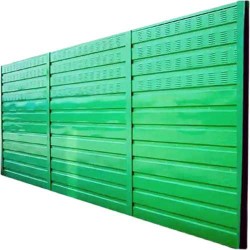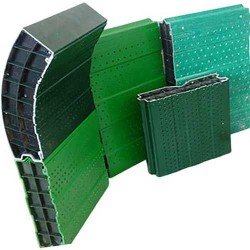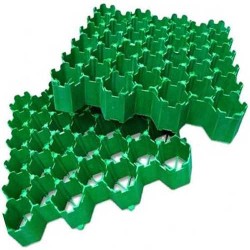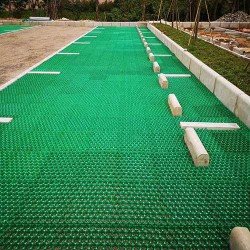
FRP utility infrastructure systems include fiberglass light poles, FRP manhole covers, and acoustic barriers for public, industrial, utility-related, and environmental infrastructure applications. This page outlines the main product types and the factors commonly considered when selecting materials, configurations, and installation requirements.
FRP Utility Infrastructure Systems
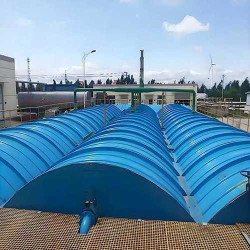
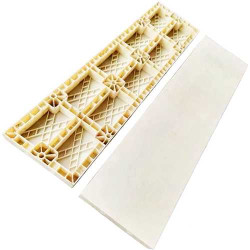
FRP utility infrastructure products cover several infrastructure-related applications, including fiberglass light poles, FRP manhole covers, and acoustic barriers. Selection depends on the product type, required loading, electrical considerations, environmental exposure, installation conditions, and project requirements.
Selection Considerations
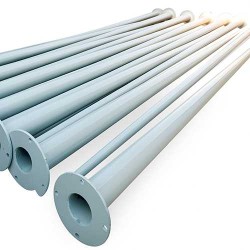
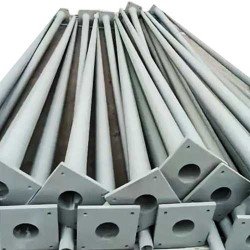
Fiberglass Light Poles
Consider mechanical loading, wind exposure, electrical requirements, support conditions, and the installation configuration of the intended system.
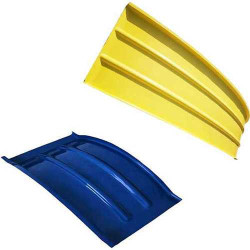
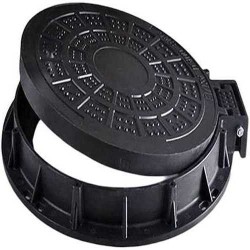
FRP Manhole Covers
Consider the required load, traffic conditions, support arrangement, installation location, and the load classification applicable to the intended use.
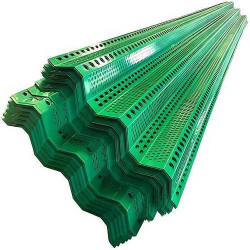
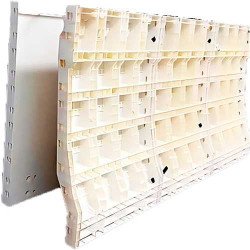
Acoustic Barriers
Consider the barrier configuration, installation environment, environmental exposure, and the acoustic objectives of the application.
General Selection Factors
- Mechanical requirements – consider loading, support conditions, wind exposure, and installation configuration.
- Electrical considerations – for applicable products, review electrical insulation requirements within the intended installation.
- Environmental exposure – consider UV exposure, moisture, salt spray, chemicals, and other site-specific conditions.
- Installation requirements – review the installation location, support arrangement, interfaces, and project-specific conditions.
- Project requirements – applicable specifications and requirements should be considered for the selected product and installation.
Frequently Asked Questions
How is the load class of an FRP manhole cover selected?
The required load class depends on the intended traffic, installation location, support conditions, and applicable project requirements. The selected configuration should match the loading conditions expected at the installation site.
Are fiberglass light poles suitable where electrical insulation is a consideration?
FRP materials are commonly considered for applications where electrical insulation is an important design factor. The electrical requirements of the complete installation should be evaluated together with the intended system and site conditions.