
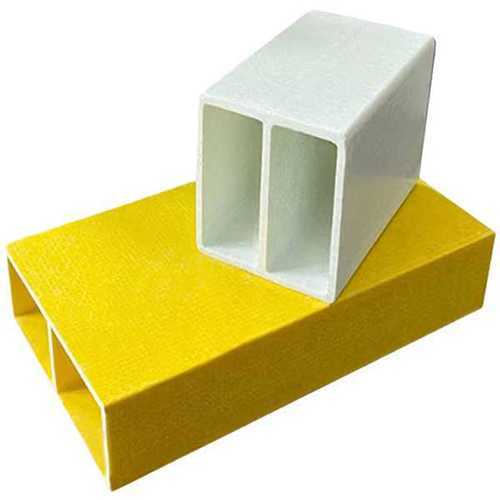
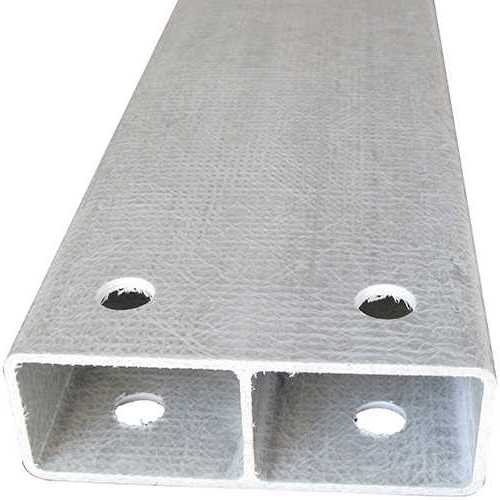


Fiberglass Purlin Overview
Fiberglass purlins, also referred to as FRP or GRP purlins, are pultruded structural profiles used to support roof decking, cladding, or related building elements. They consist of glass-fiber reinforcement in a thermoset resin matrix and can be supplied in different profile geometries and resin systems. Selection depends on span, loads, connections, temperature, and environmental exposure.
What Is a Fiberglass Purlin?
A fiberglass purlin is a structural roof member that supports decking, cladding, insulation panels, or other roof elements and transfers loads to the main structural frame. FRP / GRP purlins are considered for building applications where the use of a non-metallic structural profile is relevant to the project requirements.
Because the profile is produced from fiberglass reinforcement and a resin matrix rather than steel, material selection can be evaluated in relation to moisture, salt exposure, chemical conditions, temperature, and other environmental factors.
Key Product Facts
- Material: Glass fiber reinforced polymer (FRP / GRP)
- Manufacturing process: Pultrusion
- Profile shapes: C-channel, Z-channel, U-channel, or other sections according to project requirements
- Resin options: Polyester, vinyl ester, and flame-retardant formulations, subject to configuration
- Electrical properties: Non-conductive configurations can be considered where required by the application
Material & Construction
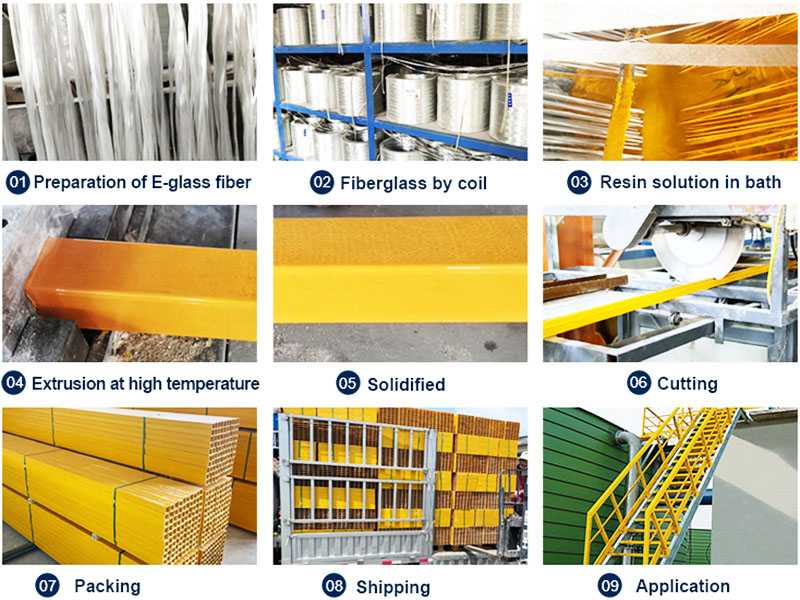
Fiberglass purlins are manufactured by pultrusion, in which continuous glass-fiber reinforcement is combined with a thermoset resin matrix and formed through a heated die into a continuous structural profile. The process produces a defined cross-sectional geometry along the length of the member.
Resin selection is an important part of material specification because the exposure environment, temperature, chemical conditions, and other project requirements can affect the suitability of a particular configuration. Common resin options include polyester, vinyl ester, and flame-retardant formulations.
Typical Applications
Common applications for fiberglass purlins include industrial and commercial buildings where material selection must consider moisture, corrosion exposure, or maintenance requirements. Potential application environments include chemical processing facilities, coastal structures, wastewater treatment facilities, agricultural buildings, and food processing facilities.
FRP purlins may also be considered in refurbishment projects where existing metallic roof members are affected by corrosion or where a non-metallic structural profile is required.
Selection Considerations
Fiberglass purlin selection typically depends on the structural configuration and the conditions of the project. Key considerations include:
- Span and loading: Profile depth, wall thickness, support spacing, and profile geometry should be evaluated against the required span and roof loads.
- Connections: Connection details, fastening methods, and support conditions should be considered together with the selected profile.
- Resin system: The selected resin system should reflect the expected environmental exposure, including chemical conditions, temperature, and other relevant factors.
- Profile shape: C, Z, U, or other sections may be considered according to the roof framing arrangement and connection details.
- Environmental exposure: Chemical type, concentration, temperature, moisture, salt exposure, and UV conditions may affect material selection.
- Field modifications: Cutting or drilling can expose glass fibers at modified edges. Exposed fibers should be sealed with a compatible resin system according to the applicable installation guidance.
Product Configuration Options
| Property | Options / Description |
|---|---|
| Material | Fiberglass reinforced polymer (FRP / GRP) |
| Manufacturing process | Pultrusion |
| Profile shapes | C-channel, Z-channel, U-channel, and other sections according to project requirements |
| Resin options | Polyester, vinyl ester, and flame-retardant formulations, subject to configuration |
| Electrical properties | Non-conductive configurations can be considered where required by the application |
Load capacity, temperature limits, and environmental compatibility depend on the selected profile, resin system, support conditions, and project requirements. For a technical data request, provide the relevant span, loading, connection, and exposure conditions.
Frequently Asked Questions
How does a fiberglass purlin differ from a steel purlin?
Fiberglass purlins are non-metallic structural profiles made from fiberglass reinforcement and a resin matrix, while steel purlins are metallic members. Selection between the materials depends on factors such as span, loading, connections, environmental exposure, temperature, maintenance requirements, and the overall structural configuration.
How is the load capacity of a fiberglass purlin determined?
Load capacity depends on the selected profile geometry, section dimensions, span, support spacing, loading conditions, connections, and material configuration. The appropriate configuration should therefore be evaluated against the actual project conditions rather than from the material name alone.
Can fiberglass purlins be considered for chemical facilities?
FRP purlins can be considered for chemical facility applications when the selected material configuration is compatible with the actual exposure. Chemical type, concentration, temperature, exposure conditions, and resin system should be considered during selection.
What profile shapes are available?
Common profile shapes include C, Z, and U sections. Other section geometries may be considered where required by the project design and manufacturing configuration.
Do fiberglass purlins require galvanizing?
Fiberglass purlins are non-metallic and are not galvanized in the same way as steel purlins. Surface treatment and protection requirements depend on the selected configuration and the environmental exposure of the project.
How do temperature conditions affect fiberglass purlin selection?
Temperature requirements should be considered together with the selected resin system, profile configuration, and exposure conditions. Where a project involves defined or continuous operating temperatures, the material configuration should be evaluated against those conditions.
Related Products & System Components
Fiberglass purlins can form part of a broader FRP structural system. Related product categories and components may include:
- FRP structural profiles and framing members
- FRP grating panels for walkways and decking
- Fastening hardware and connection accessories
For related FRP applications, you may also review our FRP Structural Profiles, Fiberglass Pultruded Bar Grating, or Fiberglass Platform pages.
Technical Data Request
For a product or project-specific technical data request, provide the main design and exposure conditions relevant to the purlin selection:
- Required purlin span and support spacing
- Expected roof loads, such as dead, live, wind, or snow loads
- Chemical exposure and ambient temperature range
- Preferred profile shape, such as C, Z, U, or another section
- Fire-performance or electrical non-conductivity requirements, where applicable
- Required quantity and target delivery schedule


