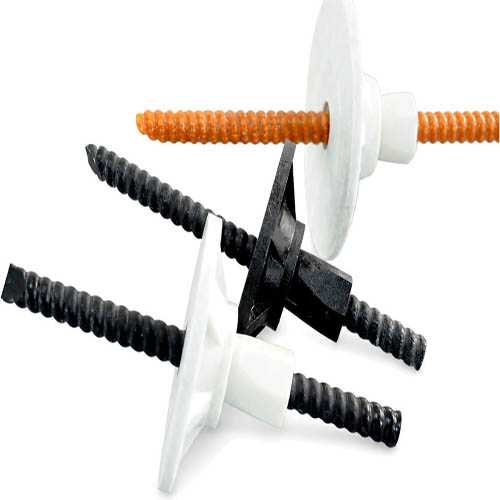
FRP Rock Bolt

An FRP rock bolt is a fiber-reinforced polymer composite element used in ground and rock support. FRP rock bolts may be specified for tunneling, underground excavation, slope stabilization, and related ground-support work. Selection depends on ground conditions, design loading, reinforcement geometry, anchorage method, and installation requirements. The term FRP identifies a material class; it does not by itself establish the fiber type, resin system, or capacity of a particular configuration.
An FRP rock bolt is a composite reinforcement element incorporated into a designed ground-support system to help stabilize rock or ground.
FRP describes a class of fiber-reinforced polymer composites rather than one universal material formulation. The designation alone does not identify whether the reinforcement uses glass fiber, basalt fiber, or another fiber type, and it does not establish the resin chemistry or manufacturing process.
Before specification, confirm the fiber and resin system, reinforcement geometry, surface profile, end details, and manufacturing process from documentation applicable to the selected product. These details should not be inferred from the FRP label alone.
FRP rock bolts and anchor elements are used in ground-support contexts where an FRP reinforcement system is specified. Relevant application settings include:
Selection should consider the reinforcement and its load-transfer arrangement together. The following information helps determine whether a specific configuration can be evaluated against the project requirements.
| Item | What to confirm | Why it matters |
|---|---|---|
| Bolt geometry | Required length, nominal diameter or cross-section, surface profile, end details, and applicable accessories. | Defines the configuration being assessed and its fit with the planned drilling and installation method. |
| Mechanical properties | Verified strength, stiffness, and design-capacity information for the selected product and test scope. | Supports checking the reinforcement against the required loading. Values from a material specimen should not automatically be treated as the capacity of an installed bolt-and-anchorage system. |
| Anchorage and load transfer | Anchoring method, hole geometry, embedment or anchorage length, grout or resin requirements, and relevant bond or pull-out data where applicable. | The load-transfer arrangement may govern system behavior; reinforcement tensile data alone do not characterize the complete installed system. |
| Ground and installation conditions | Relevant rock or ground characteristics, groundwater conditions, drilling constraints, and installation procedure. | Links the proposed configuration to the site conditions and construction method. |
| Service exposure | Relevant groundwater chemistry, chemical exposure, and temperature conditions where they affect material selection. | Provides context for evaluating the selected material system under the intended service conditions. |
Use product-specific information and the applicable project design basis to verify the selected configuration. Do not assign a strength, anchorage capacity, or performance value to a product unless the supporting evidence covers that product or configuration and the relevant conditions.
An FRP rock bolt should not be treated as a direct one-for-one replacement for a steel bolt based on nominal diameter alone. A comparison should consider verified mechanical properties, stiffness, anchorage and bond behavior, connections, installation requirements, and the project’s design criteria. The appropriate choice depends on the support function and the data available for the specific configurations being compared.
For a meaningful quotation, describe the required configuration and the scope to be supplied. Relevant information may include:
When comparing quotations, check that the offered scope is comparable, including anchorage materials and accessories where relevant. The quotation should identify the supplied configuration, included components, delivery scope, and applicable commercial terms.
Capacity assessment depends on the verified mechanical properties of the selected reinforcement, the anchorage and load-transfer arrangement, relevant bond or pull-out behavior, ground conditions, and project loading. A material strength value alone does not establish the capacity of the installed support system.
A direct one-for-one replacement should not be assumed. Compare the relevant mechanical properties, stiffness, anchorage behavior, connections, installation requirements, and design criteria for the specific alternatives.
To discuss a project-specific requirement, contact HotFRP and provide the intended application, required bolt geometry, design loading, ground conditions, proposed anchorage method, quantity, and delivery requirements. Product configuration, supporting data, and commercial terms should be confirmed for the actual enquiry.
For the broader product-family context, see FRP Ground Support Systems.


