
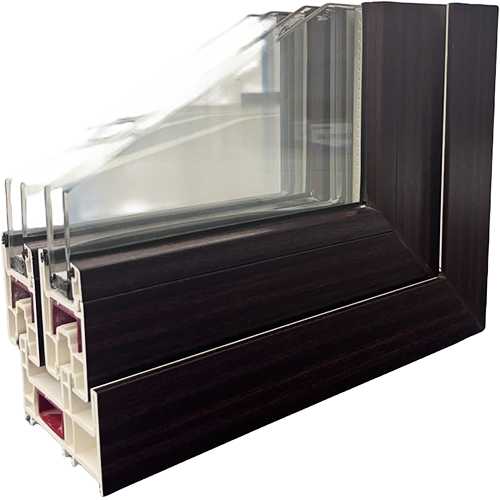
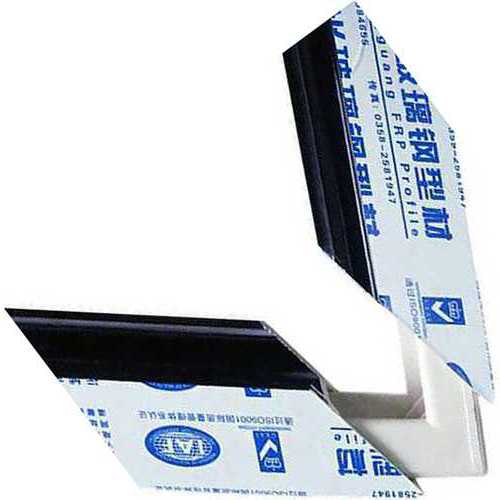


Fiberglass Window Frame Overview
Fiberglass window frames, also called FRP or GRP window frames, are pultruded composite profiles used for window and glazing assemblies in industrial and commercial building envelopes. Also known as fiberglass window profiles or window lineals in some markets, these rigid sections are configured around glazing, mounting, and connection requirements. Continuous glass fiber reinforcement combined with a thermosetting resin matrix forms the composite profile, while profile geometry, fiber orientation, resin system, and surface finish influence its mechanical and environmental performance. Lower thermal conductivity than aluminum or steel makes FRP an option where frame thermal transfer is a design consideration.
What Is a Fiberglass Window Frame?
A fiberglass window frame is a rigid fenestration profile made from fiberglass reinforced plastic (FRP), also known as glass-reinforced plastic (GRP). It holds glazing within building envelope openings and can be supplied as window profiles or linear window sections for industrial and commercial assemblies. Compared with steel, fiberglass does not rust, while corrosion resistance depends on the selected resin system, profile construction, and exposure conditions.
Key Product Facts
- Material: Glass fiber reinforcement embedded in a thermosetting resin matrix
- Manufacturing: Pultruded composite profile construction
- Profile form: Rigid linear sections for window, glazing, and mounting assemblies
- Typical use: Building envelope framing in industrial and commercial environments with moisture, coastal exposure, or chemical exposure
- Surface: Smooth, textured, or coated finish depending on project requirements
- Electrical properties: Non-conductive composite construction
- Thermal characteristic: Lower thermal conductivity than aluminum or steel; exact performance depends on profile design and material configuration
Material & Construction
The window profiles are made from a composite system that combines glass fiber reinforcement with a thermosetting resin matrix. In the pultruded profile, glass fibers provide reinforcement while the resin matrix binds and protects the reinforcement within the finished section. The selected fiber content, fiber orientation, resin chemistry, profile cross-section, and surface finish are matched to the mechanical and environmental requirements of the installation.
Material and profile design should be considered together when evaluating wind loads, glazing requirements, connection details, exposure conditions, and thermal movement. The appropriate configuration depends on the intended installation and project requirements.
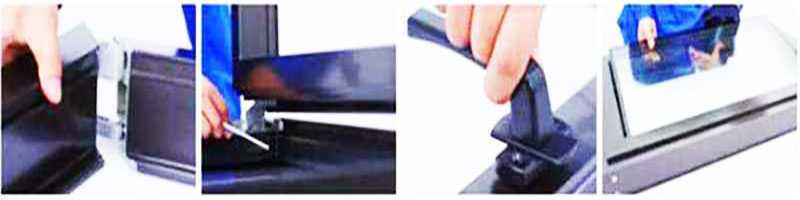
Typical Applications
Fiberglass window frames can be selected for building envelope and fenestration assemblies where corrosion resistance, non-conductive construction, and lower thermal conductivity are relevant design considerations. Typical application environments include:
- Manufacturing plants and processing buildings
- Water and wastewater treatment facilities
- Coastal and marine facilities
- Chemical storage and handling areas
- Utility and power generation buildings
- Public infrastructure where maintenance access is limited
Selection Considerations
When selecting fiberglass window frames or window lineals, engineers typically consider the following variables:
- Resin system: Chemical and weathering resistance depend on the resin chemistry selected for the exposure environment.
- Profile geometry: Section depth and wall thickness affect stiffness and resistance to design loads.
- Fiber content and orientation: Fiber content and orientation affect mechanical properties, stiffness, and load capacity.
- Glazing retention: The profile should be configured for the specified glass type, thickness, weight, and retention method.
- Thermal movement: Joint and connection details should accommodate the thermal movement of FRP materials.
- Surface finish: Smooth, textured, or coated finishes can be selected according to cleaning, environmental, and appearance requirements.
- Compatibility: The frame profile should connect appropriately with surrounding building materials, glazing components, and hardware.
For a project-specific selection review, provide the required profile dimensions, glazing requirements, design loads, exposure conditions, and approximate quantity.
Product Characteristics
| Characteristic | Description |
|---|---|
| Material type | Fiberglass reinforced plastic (FRP / GRP) |
| Manufacturing process | Pultruded composite profile construction |
| Reinforcement | Glass fiber reinforcement; fiber type and orientation depend on profile design |
| Matrix | Thermosetting resin; specific chemistry depends on the application |
| Profile form | Rigid window profiles, lineals, and engineered composite sections |
| Surface finish | Smooth, textured, or coated depending on requirements |
| Color | Standard or custom options depending on requirements |
| Thermal performance | Lower thermal conductivity than aluminum or steel; exact performance depends on profile thickness and material configuration |
| Environmental resistance | Resistant to moisture and selected chemical exposures when the appropriate resin system is used |
| Electrical characteristic | Non-conductive composite construction |
Frequently Asked Questions
Are fiberglass window frames suitable for outdoor use?
Fiberglass window frames can be configured with resin systems and surface finishes selected for outdoor exposure. UV stability, moisture resistance, and weathering performance depend on the resin chemistry, surface finish, profile design, and actual exposure conditions.
How do fiberglass frames compare with aluminum frames?
Fiberglass window frames typically have lower thermal conductivity than aluminum and are electrically non-conductive. Their corrosion performance also differs from metal frames and depends on the selected resin system and exposure environment. Structural performance should be evaluated according to the profile geometry and design loads.
Can fiberglass window frames be customized?
Fiberglass window profiles can be configured with different dimensions, cross-sections, colors, and surface finishes according to project requirements. Tooling requirements, order quantity, and profile complexity affect customization feasibility and production planning.
Can fiberglass frames be used with safety glazing?
Fiberglass window frames can be configured for specified glazing systems when the profile geometry, glazing thickness, retention method, and design loads are matched appropriately. Project-specific compatibility depends on the selected frame and glazing configuration.
Engineering Inquiry
For a project-specific fiberglass window frame or window lineal selection, provide the following information so the profile configuration can be assessed against the intended application:
- Required profile dimensions and wall thickness
- Window opening width and height
- Design wind load and deflection criteria
- Glass type, thickness, and weight to be supported
- Expected exposure conditions, including chemical, coastal, UV, and temperature conditions
- Surface finish preference
- Color preference and approximate quantity


