
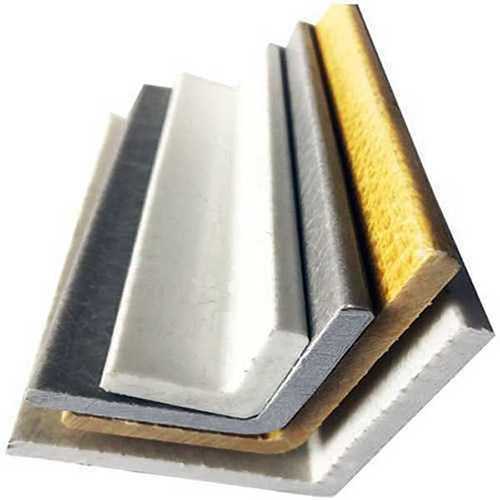
Fiberglass L Shape Angle Profile Overview
Fiberglass L-shaped angle profile, also known as FRP L-angle, GRP angle profile, or pultruded fiberglass angle, is a composite structural profile with two perpendicular legs forming an L-shaped cross-section. It is used for structural framing, edging, corner reinforcement, and support applications. The profile combines continuous glass fiber reinforcement with a thermosetting resin matrix, while dimensions and structural behavior depend on the selected geometry, resin system, and project conditions.
What Is a Fiberglass L-Shape Angle Profile?
A fiberglass L-shaped angle profile is a pultruded FRP structural profile with two perpendicular legs forming an L-shaped section. The profile can be used as a framing member, edge section, corner reinforcement, or support component in industrial, commercial, construction, marine, and other applications where a non-metallic structural profile is required.
Fiberglass angle profiles are produced from glass fiber reinforcement embedded in a thermosetting resin matrix. The L-shaped geometry is formed continuously during the pultrusion process, with profile dimensions selected according to the required section and project conditions.
Key Product Facts
- Material: Glass fiber reinforcement with a thermosetting resin matrix
- Manufacturing process: Pultrusion, forming a continuous L-shaped profile through a heated die
- Cross-section: L-shaped with two perpendicular legs, including equal-leg and unequal-leg configurations
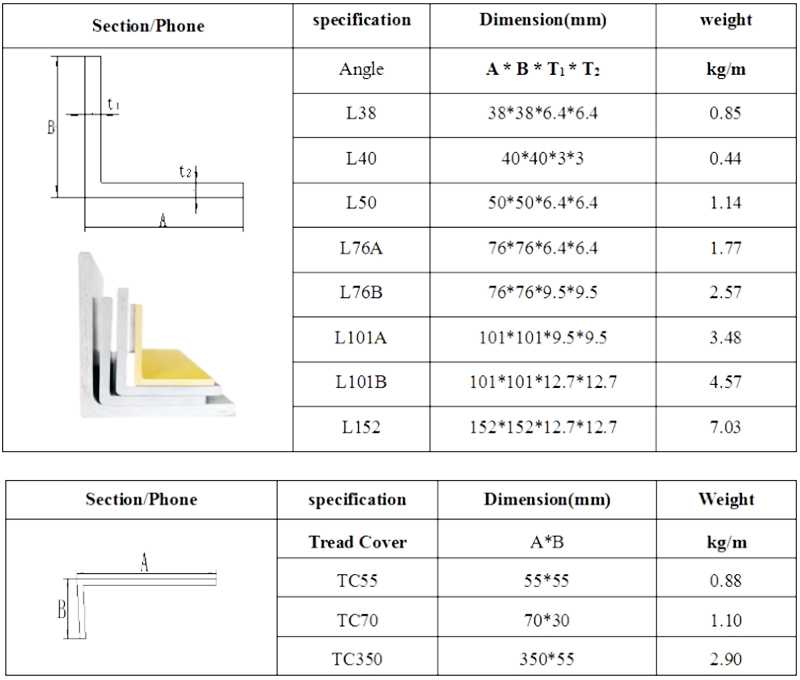
- Dimensions: Leg dimensions, wall thickness, and length can be project-specified
- Resin system: Selected according to the required service environment and project conditions
- Electrical behavior: FRP is generally non-conductive; the actual electrical properties depend on the material formulation and surface condition
Material & Construction
The profile is produced by pultrusion. Continuous glass fiber reinforcement is combined with a thermosetting resin matrix and pulled through a heated die to form the L-shaped cross-section. The reinforcement provides the composite structure, while the resin matrix binds the fibers and forms the finished profile.
Resin selection can be matched to the service environment and project requirements. Available resin systems are configuration dependent, with selection influenced by factors such as chemical exposure, temperature, and required fire performance.
Profile geometry is defined by the required leg dimensions, wall thickness, length, and structural arrangement. Equal-leg and unequal-leg configurations can be considered according to the intended installation and connection details.
Where field cutting or drilling is required, the modified edge exposes the internal reinforcement. Exposed edges should be sealed with a compatible resin system as part of the installation procedure.
Applications
Fiberglass L-angle profiles are commonly used where a non-metallic structural angle is required for framing, edging, reinforcement, or support. Typical industry applications include:
- Construction framing and corner reinforcement
- Industrial equipment frames and support structures
- Marine and coastal structural assemblies
- Chemical processing and wastewater treatment areas
- Greenhouse and agricultural structures
- Edge framing and support around composite panels or other structural components
Application suitability depends on the profile geometry, connection method, span, expected loads, environmental exposure, and resin system selected for the project.
Load Capacity
Load capacity is configuration dependent. The main variables considered for a fiberglass L-angle profile include:
- Leg dimensions and wall thickness
- Span length and support conditions
- Profile orientation and load direction
- Fiber content and reinforcement arrangement
- Resin system and operating temperature
- Connection and fastening details
For structural applications, the selected profile should be evaluated together with its span, supports, connections, loads, and service environment rather than by profile dimensions alone.
Selection Considerations
Engineers typically define the following parameters when specifying a fiberglass L-shaped angle profile:
- Leg dimensions: Equal or unequal leg sizes can be selected according to the required section geometry and connection arrangement.
- Wall thickness: Selected in relation to structural requirements, span, loads, and connection details.
- Resin system: Considered in relation to chemical exposure, temperature, and other service-environment requirements.
- Connection details: Bolted, bonded, or other connection methods influence the structural arrangement and should be considered together with the profile.
- Environmental exposure: Moisture, UV exposure, chemicals, and operating temperature can affect material and surface-treatment selection.
- Length and handling: Required profile length should be considered together with transport, handling, cutting, and installation conditions.
Providing the profile dimensions, span, support arrangement, loads, connection details, and service conditions allows the required configuration to be evaluated more specifically.
Technical Specifications
The following table summarizes the main configuration attributes of fiberglass L-shaped angle profiles. Specific dimensions and performance characteristics depend on the selected profile and project requirements.
| Attribute | Specification / Notes |
|---|---|
| Material | Fiberglass Reinforced Plastic (FRP / GRP) |
| Reinforcement | Continuous glass fiber reinforcement |
| Matrix | Thermosetting resin system |
| Manufacturing Process | Pultrusion |
| Cross-Section | L-shaped angle with two perpendicular legs |
| Leg Configuration | Equal-leg or unequal-leg configurations |
| Leg Dimensions | Project-specified |
| Wall Thickness | Project-specified |
| Length | Project-specified according to production and handling requirements |
| Color | Gray and custom colors, subject to material and production configuration |
| Load Capacity | Configuration dependent |
| Fire Performance | Depends on the selected resin system and project requirements |
| Temperature Performance | Depends on the selected resin system and service conditions |
| Electrical Behavior | Generally non-conductive; actual properties depend on formulation and surface condition |
Frequently Asked Questions
What are fiberglass L-angle profiles used for?
Fiberglass L-angle profiles are used for structural framing, edge framing, corner reinforcement, equipment supports, and other applications requiring an L-shaped non-metallic profile. Common industry applications include construction, industrial facilities, marine structures, wastewater areas, and agricultural structures.
What materials are used to manufacture fiberglass L-angle profiles?
The profile consists of continuous glass fiber reinforcement combined with a thermosetting resin matrix. The selected resin system depends on the intended service environment and project requirements.
Are custom fiberglass L-angle sizes available?
Leg dimensions, wall thickness, length, resin system, and color can be project-specified, subject to production feasibility. Equal-leg and unequal-leg configurations can be considered according to the required section and installation arrangement.
What factors determine the load capacity of an FRP L-angle?
Load capacity depends on profile geometry, wall thickness, span, support conditions, load direction, connection details, reinforcement arrangement, resin system, and operating conditions. Structural evaluation should therefore be based on the defined project configuration.
Can fiberglass L-angle profiles be cut or drilled on site?
Yes. Field cutting and drilling can be used for installation and fabrication. Because machining exposes the internal reinforcement at the modified edge, exposed edges should be sealed with a compatible resin system as part of the installation procedure.
Can fiberglass L-angle profiles be used in place of metal angle profiles?
FRP and metal angle profiles have different material and structural characteristics. Selection should consider the required section geometry, loads, span, connection method, electrical requirements, environmental exposure, and resin or material system rather than material type alone.
Related Products & System Components
Fiberglass L-shaped angle profiles can form part of a broader FRP structural profile system. Related products may include:
- FRP I-beam and channel profiles for structural framing
- FRP grating and decking for walking and working surfaces
- FRP brackets and connection hardware for profile assemblies
Related profile selection depends on the required structural arrangement and connection details.
Engineering Inquiry
For configuration-specific evaluation, provide the basic design conditions for the required fiberglass L-angle profile:
- Required leg dimensions and wall thickness
- Required profile length
- Span and support conditions
- Expected loads and load direction
- Connection and fastening details
- Chemical exposure and operating temperature
- UV and outdoor exposure conditions
- Fire performance requirements, where applicable
- Required color and quantity
These parameters provide the basis for defining the appropriate profile configuration for the intended application.


