
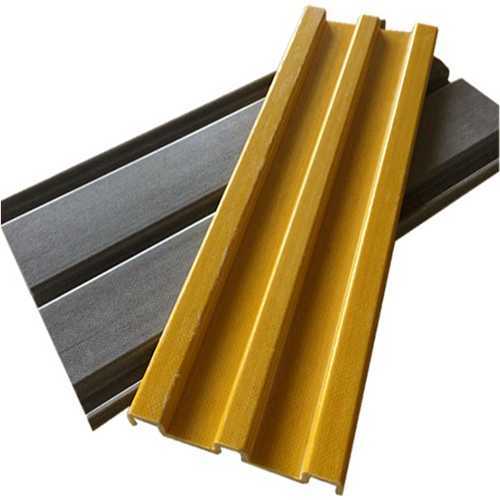
Fiberglass Kick Plate Overview
Fiberglass kick plates, also referred to as FRP kick plates, are surface protection panels made from glass fiber reinforced plastic. They are used on doors, walls, equipment, and other surfaces exposed to repeated contact or abrasion. Dimensions, thickness, resin system, surface finish, and color can be specified according to project requirements.
What Is a Fiberglass Kick Plate?
A fiberglass kick plate is a surface protection panel composed of glass fiber reinforcement embedded in a thermosetting resin matrix. It is mounted on doors, walls, equipment, and other surfaces where repeated contact, foot traffic, carts, or general abrasion may cause surface damage.
FRP kick plates provide a non-metallic surface protection option for commercial, industrial, healthcare, logistics, and other high-traffic environments. Resin selection can be considered according to the expected moisture, cleaning chemical, UV, and temperature exposure.
Key Product Facts
- Material: Glass fiber reinforcement with a thermosetting resin matrix
- Product type: FRP surface protection panel for doors, walls, equipment, and related surfaces
- Surface finish: Smooth or textured, depending on project requirements
- Configurability: Panel dimensions, thickness, resin system, color, and finish can be specified by project
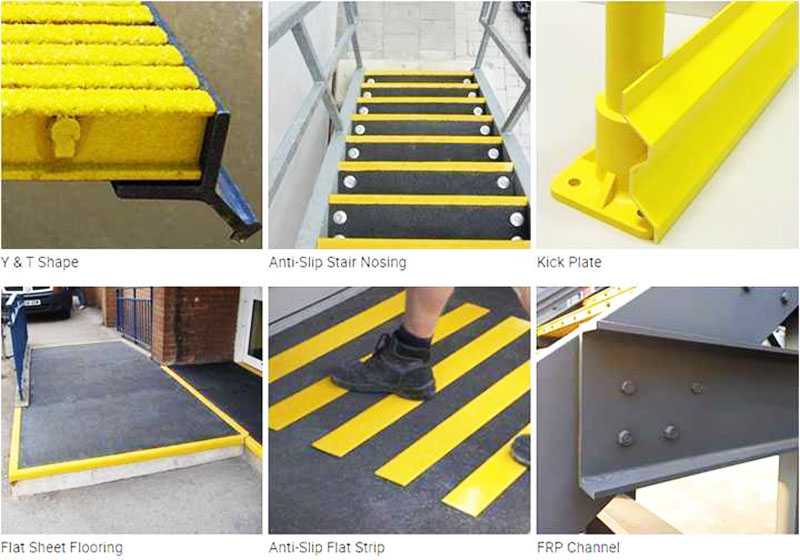
Material & Construction
Fiberglass kick plates consist of glass fiber reinforcement embedded in a thermosetting resin matrix. The resin system is selected according to the expected environmental exposure and project requirements.
Resin options include polyester and vinyl ester systems. Flame-retardant formulations can be supplied where fire performance requirements are included in the project specification. Resin selection should be evaluated against the applicable exposure and specification.
Surface finishes can be smooth or textured. Mounting holes can be pre-drilled to match the specified installation arrangement, and custom panel lengths or heights can be supplied subject to production feasibility.
Where panels are cut or drilled on site, exposed glass fibers at modified edges should be sealed with a compatible resin or suitable protective coating. The appropriate edge treatment depends on the installation and exposure conditions.
Applications
Fiberglass kick plates are used for surface protection in commercial and industrial areas where doors, walls, equipment, or other surfaces are exposed to repeated contact or abrasion. Typical industry applications include:
- Warehouse and logistics facilities
- Food and beverage processing areas
- Chemical processing plants and laboratories
- Hospital and healthcare corridors
- Commercial building entrances and service areas
These applications represent typical industry uses of FRP surface protection panels. Actual material and configuration requirements depend on the installation area, expected contact, cleaning conditions, and environmental exposure.
Selection Considerations
When specifying a fiberglass kick plate, the following variables are typically considered:
- Panel thickness: Selected according to the expected impact conditions and project requirements.
- Resin system: Considered in relation to chemical exposure, UV exposure, moisture, and service temperature requirements.
- Surface finish: Smooth or textured, depending on cleaning requirements, appearance, and the intended installation environment.
- Color: Color options depend on the selected resin system and production feasibility.
- Installation method: Mechanical fastening or adhesive bonding can be considered according to the substrate and installation conditions.
The final configuration can be evaluated from the specified dimensions, substrate, expected contact conditions, environmental exposure, and installation method.
Technical Specifications
The table below summarizes general configuration attributes of fiberglass kick plates. Specific dimensions, thicknesses, and other project requirements are specified according to the intended application.
| Attribute | Notes |
|---|---|
| Material | Fiberglass Reinforced Plastic (FRP/GRP) |
| Panel Thickness | Project-specified according to expected contact and impact conditions |
| Panel Dimensions | Project-specified and subject to production capabilities |
| Surface Finish | Smooth or textured |
| Color Options | Gray, black, and custom colors, subject to resin system and production feasibility |
| Resin Options | Polyester and vinyl ester systems; UV-stabilized formulations available |
| Installation | Mechanical fastening or adhesive bonding, depending on substrate and project conditions |
Project-specific technical requirements can be evaluated based on the required dimensions, material configuration, installation conditions, and environmental exposure.
Frequently Asked Questions
What is a fiberglass kick plate used for?
Fiberglass kick plates are used to protect doors, walls, equipment, and other surfaces from repeated contact and abrasion. They are commonly specified for commercial, industrial, healthcare, logistics, and other high-traffic environments.
Can fiberglass kick plates be used outdoors?
Fiberglass kick plates can be configured for outdoor applications when the selected resin system, surface finish, and installation conditions are appropriate for the expected exposure. UV-stabilized formulations are available for projects requiring UV-related material considerations.
Can fiberglass kick plates be customized?
Yes. Panel dimensions, thickness, color, surface finish, resin system, and mounting-hole arrangements can be specified according to project requirements, subject to production feasibility.
How are fiberglass kick plates installed?
Installation depends on the substrate and application. Mechanical fastening or adhesive bonding can be used where appropriate for the specified installation conditions.
Are fiberglass kick plates resistant to cleaning chemicals?
Chemical resistance depends on the resin system, the specific cleaning agents involved, concentration, temperature, exposure duration, and other project conditions. Resin selection should therefore be evaluated against the actual cleaning or chemical exposure.
Related Products & System Components
Fiberglass kick plates can be considered alongside other FRP products used for surface protection, access, and industrial construction.
- FRP wall panels and cladding systems
- FRP grating and decking panels
- FRP structural profiles and related components
Engineering Inquiry
For project-specific configuration review, provide the main application and installation conditions together with the following information:
- Required panel dimensions and thickness
- Expected contact, impact, or abrasion conditions
- Substrate material and preferred installation method
- Chemical exposure and cleaning agents, where applicable
- UV exposure and outdoor installation conditions, where applicable
- Required color and surface finish
- Fire performance requirements, where applicable


