Fiberglass Extraction Hood Overview Fiberglass extraction hoods, also described as FRP exhaust hoods, GRP extraction hoods, or local exhaust hoods, are source-capture components connected to an exha... Read More
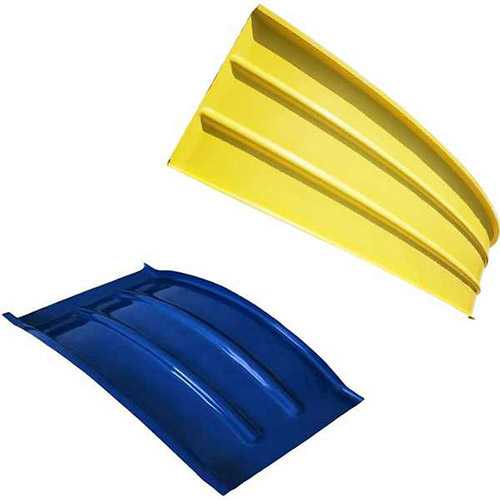
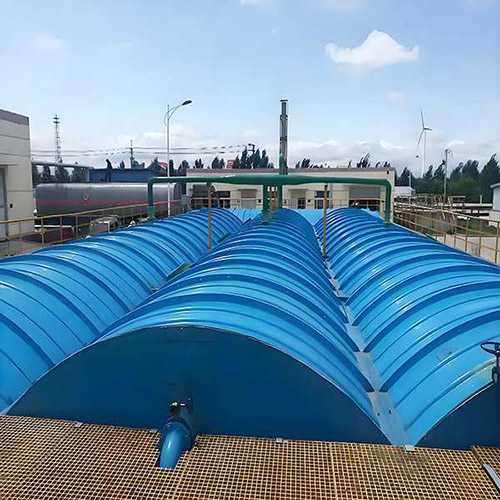
Fiberglass extraction hoods, also described as FRP exhaust hoods, GRP extraction hoods, or local exhaust hoods, are source-capture components connected to an exhaust system to draw fumes, vapors, or dust away from a work area. They are made from glass fiber reinforcement in a thermosetting resin matrix. Typical applications include chemical processing, electroplating, laboratories, wastewater treatment, and localized industrial exhaust.
What Is a Fiberglass Extraction Hood?
A fiberglass extraction hood is a fiberglass reinforced plastic (FRP/GRP) source-capture component that connects to an exhaust system to draw contaminated air away from a work area. It forms the capture point of a local exhaust ventilation system, directing fumes, vapors, or dust into connected ductwork.
Fiberglass extraction hoods can be supplied with flanged or direct duct connections. Dimensions, wall thickness, connection interfaces, and mounting arrangements can be configured according to project requirements.
Key Product Facts
Material: Glass fiber reinforcement embedded in a thermosetting resin matrix
Product form: Localized exhaust hood for fume extraction and source capture
Resin options: Polyester or vinyl ester systems, subject to project requirements
Connection options: Flanged or direct duct connections
Mounting configurations: Wall-mounted, ceiling-mounted, or equipment-mounted arrangements can be configured
Customization: Dimensions, wall thickness, connection interface, and mounting details can be tailored to the installation layout
Material & Construction
The hood body is constructed from glass fiber reinforcement combined with a thermosetting resin matrix. Polyester and vinyl ester resin systems can be considered according to the chemical exposure, operating temperature, and other project conditions.
The hood can be configured with smooth interior surfaces and, where specified, an optional gel coat. Connection and mounting details are selected to match the associated ductwork and installation arrangement.
For corrosive exhaust applications, resin selection should be based on the actual chemical stream, concentration, temperature, exposure conditions, and ventilation system design rather than on the hood material alone.
Typical Applications
FRP extraction hoods are used as localized exhaust and source-capture components in ventilation systems. Typical application environments include:
Chemical manufacturing and processing facilities
Electroplating and surface treatment operations
Pharmaceutical production areas
Industrial and research laboratories
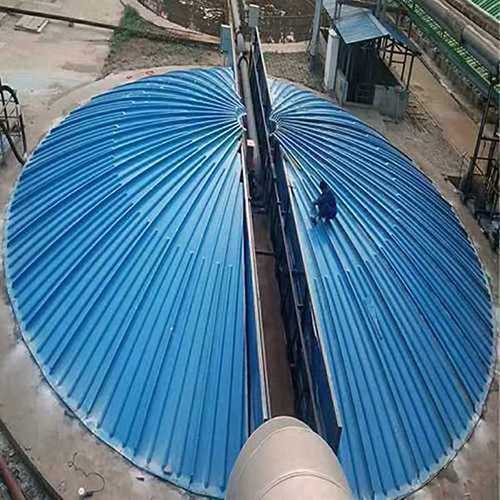
Wastewater treatment and odor control systems
General manufacturing areas requiring localized exhaust
Configuration should be considered in relation to the contaminant type, concentration, airflow requirement, available space, chemical exposure, duct arrangement, and installation conditions.
Selection Considerations
When selecting a fiberglass extraction hood, consider the variables that affect the hood configuration and its integration with the ventilation system:
Resin system: Polyester or vinyl ester can be considered according to chemical exposure and operating temperature.
Hood geometry: Hood shape and dimensions depend on the source location, capture distance, workspace layout, and available installation space.
Connection interface: Flanged or direct duct connections should correspond to the connected duct system.
Mounting configuration: Wall, ceiling, or equipment mounting depends on the process layout and available support structure.
Airflow requirements: Hood selection should be coordinated with the required airflow, contaminant characteristics, capture arrangement, and connected fan and duct system.
Technical Specifications
The table below summarizes general product attributes. Specific dimensions, construction details, and project requirements depend on the selected configuration and installation conditions.
Attribute
Typical Scope / Options
Notes
Material
Fiberglass Reinforced Plastic (FRP/GRP)
Thermosetting resin matrix; resin selection depends on application conditions
Resin system
Polyester or vinyl ester
Selected according to chemical exposure and operating conditions
Surface configuration
Smooth interior; optional gel coat where specified
Configuration dependent
Connection interface
Flanged or direct duct connection
Connection details can be configured for the duct arrangement
Mounting
Wall, ceiling, or equipment-mounted
Mounting details depend on the installation layout
Project-specific airflow, capture arrangement, pressure drop, or chemical compatibility should be evaluated using the actual operating conditions and ventilation system configuration.
Frequently Asked Questions
Can a fiberglass extraction hood be configured for corrosive exhaust?
FRP extraction hoods can be configured for applications involving corrosive fumes or chemical vapors. Resin selection should be based on the actual chemical exposure, concentration, operating temperature, and other project conditions.
Can the hood be adapted for different duct sizes?
Connection interfaces and hood dimensions can be configured for different duct arrangements. Final dimensions and connection details are confirmed according to the installation requirements.
What information is needed to select a fiberglass extraction hood?
Useful selection information includes the contaminant type and concentration, required or available airflow, duct size, hood location, available installation space, operating temperature, chemical exposure, and any required dimensions or drawings.
How should a fiberglass extraction hood be maintained?
Routine inspection can include the hood body, connection interfaces, mounting points, and exposed surfaces. Inspection frequency depends on the chemical exposure, operating conditions, installation environment, and site maintenance practices.
Engineering Inquiry
For configuration review, resin selection, project-specific technical information, or a quotation, submit the relevant operating and installation conditions with your inquiry.
Contaminant type and concentration
Airflow rate or available fan capacity
Duct size and connection type
Mounting location and available space
Operating temperature and chemical exposure details
Required dimensions, drawings, or installation constraints