
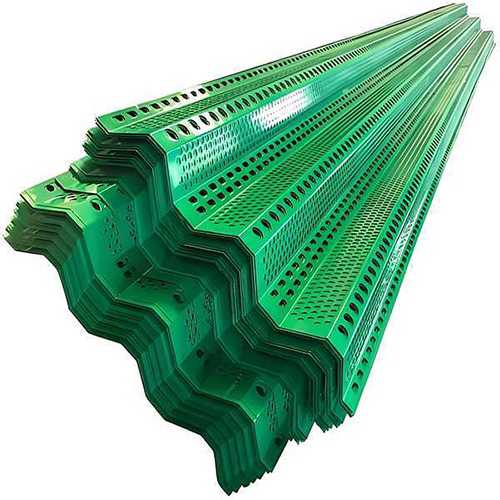
Fiberglass Dust Screen Overview
Fiberglass Dust Screens are FRP/GRP windbreak panels used to reduce wind-driven dust dispersion in open industrial areas. The panels are made from glass fiber reinforcement embedded in a thermosetting resin matrix and assembled into continuous windbreak walls. Typical applications include coal yards, ports, power plants, mining areas, aggregate storage sites, and construction areas. Panel dimensions, wall height, spacing, and layout can be configured according to project conditions.
What Is a Fiberglass Dust Screen?
A Fiberglass Dust Screen is an FRP/GRP windbreak panel designed to influence airflow around outdoor dust sources. Multiple panels can be assembled into a continuous wall to reduce wind speed around the protected area and help limit wind-driven dust dispersion.
Depending on regional terminology, the product may also be described as an FRP windbreak screen, GRP dust screen, fiberglass wind fence, composite dust control panel, or non-metallic windbreak panel. These terms refer to the same product category when the panel is used as part of an outdoor wind and dust control system.
Key Product Facts
- Material: Glass fiber reinforced thermosetting resin composite
- Product form: Aerodynamic FRP/GRP panels assembled into continuous windbreak walls
- Primary function: Influences airflow to reduce wind-driven dust dispersion around outdoor dust sources
- Configuration: Panel dimensions, wall height, spacing, and overall layout can be adapted to project requirements
- Support arrangement: Panels can be mounted to project-specific steel or concrete support structures
- Installation conditions: Layout should consider site wind direction, local wind conditions, dust source characteristics, and available support structures
Material & Construction
The panels consist of continuous glass fiber reinforcement embedded in a thermosetting resin matrix. The FRP/GRP composite construction provides a non-metallic panel form for outdoor windbreak and dust-control applications.
The panel geometry is formed to influence airflow across and around the windbreak wall. When multiple panels are installed together, the resulting wall configuration changes the local wind environment around the protected area and can help reduce wind-driven movement of dust particles.
Panel attachment depends on the project support arrangement. Steel or concrete support structures may be used, with connection details selected according to the panel configuration, support spacing, installation layout, and site requirements.
Typical Applications
Fiberglass Dust Screens are used as windbreak and dust-control barriers in open industrial areas where wind can contribute to the dispersion of dust from stored or handled bulk materials.
- Coal storage yards and stockpile areas
- Ports and bulk material handling areas
- Power plants and ash storage areas
- Mining and quarry sites
- Sand and aggregate storage areas
- Construction areas with exposed soil or aggregate
- Industrial sites requiring perimeter wind and dust control
The appropriate screen arrangement depends on the site wind environment, location of the dust source, required protected area, wall geometry, and support structure.
Selection Considerations
Selection of a Fiberglass Dust Screen system should be based on project conditions rather than panel dimensions alone. The main considerations include:
- Site wind conditions: Consider prevailing wind direction, expected wind conditions, and the location of the dust source in relation to the proposed screen.
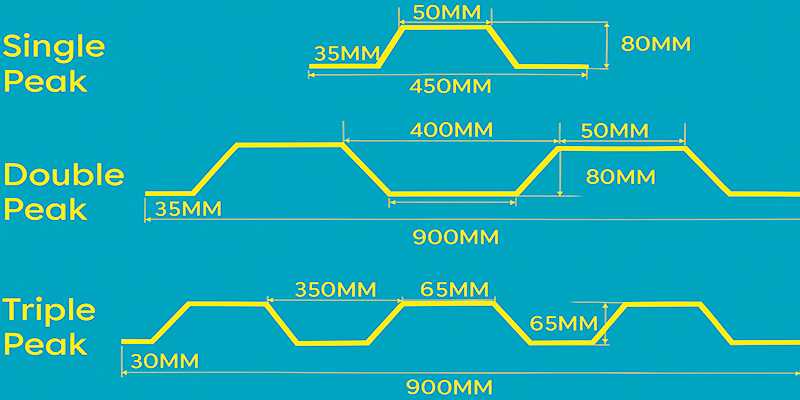
- Panel geometry: Panel profile and arrangement influence the way airflow interacts with the screen. Geometry should therefore be considered together with wall height, spacing, and site layout.
- Wall dimensions: Required wall height and total length depend on the area to be protected, dust source location, and overall site arrangement.
- Support structure: The screen can be installed on project-specific steel or concrete supports. Support spacing and connection details should correspond to the selected panel configuration and site conditions.
- Environmental conditions: Outdoor exposure, temperature conditions, chemical environment, and other site factors should be considered when selecting the appropriate composite and configuration.
- Installation layout: Panel orientation, spacing, wall height, and overall arrangement should be evaluated together with the prevailing wind direction and dust source characteristics.
Configuration Options
| Attribute | Configuration | Project Consideration |
|---|---|---|
| Material | Glass fiber reinforced thermosetting resin composite | Resin and composite configuration can be selected according to project conditions |
| Panel form | Aerodynamic windbreak panel | Panel geometry influences airflow around the screen |
| Panel dimensions | Project-dependent | Selected according to wall layout and installation requirements |
| Wall height and length | Project-dependent | Based on protected area, dust source, and site arrangement |
| Panel spacing | Project-dependent | Considered together with airflow direction and wall geometry |
| Support structure | Steel or concrete supports | Connection and spacing depend on the project structure |
| Installation layout | Project-specific | Determined from site dimensions, wind conditions, and dust source location |
Frequently Asked Questions
How does a Fiberglass Dust Screen work?
The panel geometry influences airflow around the windbreak wall. When multiple panels are assembled into a continuous barrier, the altered airflow can help reduce wind-driven dust dispersion around the protected area. The resulting effect depends on wall geometry, panel arrangement, wind conditions, and the location of the dust source.
Where are Fiberglass Dust Screens commonly used?
Common applications include coal stockpiles, bulk material handling areas, ports, power plants, mining and quarry sites, aggregate storage areas, and construction sites where wind can contribute to dust dispersion.
Can the Fiberglass Dust Screen be customized?
Panel dimensions, wall configuration, spacing, and installation arrangement can be adapted to project requirements. The appropriate configuration depends on the site layout, wind conditions, dust source, and support structure.
What factors should be considered when selecting a dust screen?
Important factors include prevailing wind direction, site wind conditions, dust source location, required wall height and length, panel geometry, panel spacing, support structure, and installation layout.
What materials are used to make the panels?
The panels are made from glass fiber reinforcement embedded in a thermosetting resin matrix, forming an FRP/GRP composite windbreak panel.
Can the panels be installed on existing support structures?
Installation on steel or concrete support structures may be possible depending on the structure, panel configuration, connection arrangement, and site conditions. The support and connection details should be evaluated as part of the project layout.
Engineering Inquiry
For project configuration support, provide the basic site and installation information relevant to the proposed dust-control screen.
- Site location and general wind conditions
- Prevailing wind direction
- Dust source and material being stored or handled
- Required wall height and approximate total length
- Available support structure and spacing
- Required quantity


