

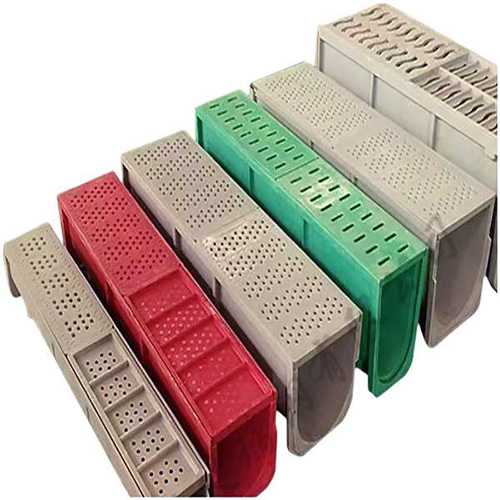


Fiberglass Drainage Trench Overview
Fiberglass drainage trenches, also known as FRP drainage channels, GRP trench drains, or composite drainage channels, are prefabricated drainage systems made from glass fiber reinforcement and a thermosetting resin matrix. They collect and convey surface water, process liquids, or drainage flows in industrial and other built environments. Configuration can include different trench dimensions, resin systems, and cover arrangements. Selection depends on hydraulic flow, expected loading, chemical exposure, and installation conditions.
What Is a Fiberglass Drainage Trench?
A fiberglass drainage trench is a prefabricated channel made from fiber-reinforced polymer (FRP/GRP). It collects and conveys surface runoff, process water, or other liquids toward a drainage outlet. The channel body has an internal surface designed for liquid conveyance and can be supplied with compatible covers for different traffic and installation requirements.
This product may also be described as a fiberglass drainage channel, FRP trench drain, GRP drainage channel, composite trench drain, or non-metallic drainage channel.
Key Product Facts
- Material: Glass fiber reinforcement embedded in a thermosetting resin matrix, with polyester or vinyl ester resin systems available according to configuration.
- Structure: Prefabricated channel sections with integrated side walls and base.
- Interior finish: Smooth internal surface for drainage flow; external surfaces may vary by configuration.
- Cover options: Compatible cover arrangements can include FRP grating, stainless steel, or ductile iron.
- Customization: Trench dimensions, section length, resin system, and cover arrangement can be evaluated according to project requirements.
Material & Construction
The trench body consists of glass fiber reinforcement embedded in a thermosetting resin matrix. Resin selection is an important part of evaluating chemical compatibility and should be based on the chemicals involved, concentration, temperature, and exposure conditions.
Polyester and vinyl ester resin systems can be considered according to the intended environment and project requirements. The final trench geometry, wall structure, and cover arrangement are selected in relation to hydraulic flow, expected loading, and installation conditions.
The internal channel surface is designed to support the conveyance of liquids. Where drainage requirements involve specific flow conditions, trench dimensions and layout should be evaluated against the required hydraulic capacity.
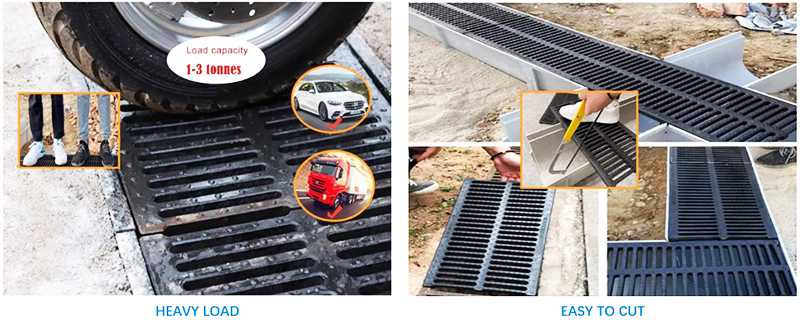
When field cutting, drilling, or other mechanical modification is required, exposed glass fibers should be properly sealed with a compatible resin system to protect the modified edge.
Typical Applications
Fiberglass drainage trenches are used in drainage and liquid-conveyance applications where material selection must consider moisture, chemical exposure, loading, or installation conditions. Typical application areas include:
- Chemical processing facilities
- Food and beverage processing areas
- Pharmaceutical and hygiene facilities
- Power and electrical facilities
- Wastewater and water treatment areas
- Parking areas and pedestrian zones
- Marine and coastal facilities
- Industrial buildings and logistics areas
Application suitability depends on the liquid or drainage medium, expected loads, hydraulic requirements, environmental exposure, and installation conditions.
Selection Considerations
Fiberglass drainage trench selection should be based on the conditions of the specific installation rather than on trench dimensions alone.
- Hydraulic flow: Trench width, depth, layout, and outlet arrangement should be considered in relation to the required drainage flow and contributing drainage area.
- Expected loading: Consider pedestrian, vehicle, or other traffic conditions together with trench geometry, cover type, and support conditions.
- Resin system: Resin selection should reflect the chemical type, concentration, temperature, and exposure conditions of the project.
- Cover arrangement: FRP grating, stainless steel, or ductile iron cover arrangements can be considered according to loading, environmental, and installation requirements.
- Surface configuration: The internal channel surface and cover arrangement should be selected according to drainage and access requirements.
- Outdoor exposure: For outdoor installations, the resin system and surface configuration should be considered in relation to sunlight and local environmental conditions.
- Installation: Prefabricated sections are assembled on site. Foundation, alignment, jointing, and anchoring conditions should be considered during project design.
- Field modification: Where cutting or drilling is required, exposed glass fibers should be properly sealed after modification.
Technical Specifications
Fiberglass drainage trenches can be configured according to project requirements. The main specification considerations include:
- Material: FRP/GRP composite consisting of glass fiber reinforcement and a thermosetting resin matrix.
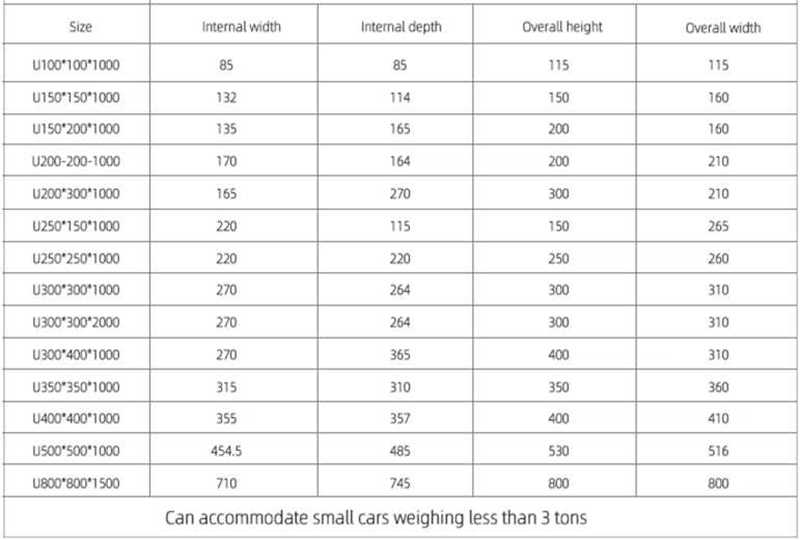
- Trench dimensions: Width, depth, and section length can be configured according to project requirements.
- Resin system: Polyester or vinyl ester options can be evaluated according to environmental and chemical exposure conditions.
- Load requirements: Evaluated according to trench geometry, cover arrangement, support conditions, and expected traffic or loading.
- Cover types: FRP grating, stainless steel, or ductile iron configurations can be considered where applicable.
- Installation: Prefabricated sections for on-site assembly and project-specific installation arrangements.
Final dimensions, configuration, resin selection, cover arrangement, and installation details should be determined from the hydraulic, loading, environmental, and site conditions of the project.
Frequently Asked Questions
How is the load requirement for a fiberglass drainage trench determined?
Load requirements depend on expected traffic or loading together with trench geometry, cover type, support conditions, and installation details. These factors should be evaluated together when selecting the drainage trench configuration.
Can a fiberglass drainage trench be used with chemical liquids?
Chemical compatibility depends on the resin system and the actual exposure conditions. The chemical type, concentration, temperature, and duration of exposure should be considered when selecting the trench configuration.
How is the required trench size determined?
Trench size depends on the required hydraulic flow, contributing drainage area, drainage layout, and outlet arrangement. Project-specific flow requirements should be provided for configuration evaluation.
Can fiberglass drainage trenches be used outdoors?
They can be considered for outdoor drainage applications. Resin selection and surface configuration should take sunlight, environmental exposure, and the local installation conditions into account.
Are custom fiberglass drainage trench sizes available?
Trench dimensions and other configuration details can be evaluated according to project requirements. Provide the required width, depth, section length, expected loading, drainage flow, and environmental conditions for configuration review.
Engineering Inquiry
For project-specific configuration evaluation, provide the main drainage and installation conditions so the trench arrangement can be assessed against the intended application.
- Required trench width and depth
- Required section or overall length
- Expected traffic type or loading condition
- Required drainage flow or contributing area
- Liquid or chemical exposure details
- Ambient and operating temperature conditions
- Preferred cover arrangement, where applicable
- Installation and site conditions


