
Leave Us a Message
Fiberglass C Shape Channel Profile Overview
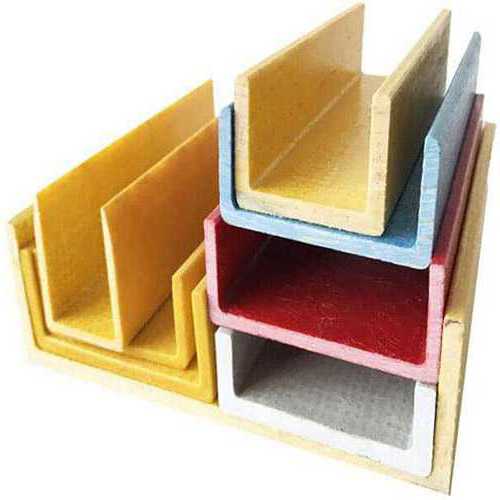
Fiberglass C shape channel profiles, also called FRP C channels, GRP C channels, or pultruded composite channels, are structural profiles made from glass fiber reinforcement embedded in a thermosetting resin matrix. They are used for structural framing, supports, and related industrial applications. Common industry uses include chemical processing, marine, electrical, and wastewater environments. Profile geometry, resin system, and mechanical properties are selected according to load, span, connections, chemical exposure, temperature, and other project conditions.
What Is a Fiberglass C Shape Channel Profile?
A fiberglass C shape channel profile is a pultruded FRP structural section with a C-shaped cross-section. The profile combines continuous glass fiber reinforcement with a thermosetting resin matrix such as polyester, vinyl ester, or other specified resin systems. It is used in structural framing, support members, equipment structures, and other applications where the characteristics of FRP are relevant to the project.
Related terms include fiberglass C channel, FRP C channel, GRP C channel, fiberglass C section, FRP structural channel, and pultruded C profile.
Key Product Facts
- Material: Glass fiber reinforcement combined with a thermosetting resin matrix.
- Manufacturing process: Pultrusion, producing a continuous structural profile with predominantly longitudinal fiber orientation.
- Cross-section: C-channel geometry with width, depth, and wall thickness specified for the required profile.
- Resin options: Polyester, vinyl ester, and other resin systems can be selected according to project requirements.
- Profile dimensions: Section geometry and length are specified according to the required application and production conditions.
- Configuration: Mechanical properties and load performance depend on the specified profile geometry, material system, and design conditions.
Material & Construction
Fiberglass C channel profiles are manufactured by pultrusion. Continuous glass fiber reinforcement is combined with a thermosetting resin system and pulled through a shaped heated die to form the required C-channel cross-section. The resulting FRP structural section has a predominantly longitudinal reinforcement orientation.
Resin selection is related to the chemical environment, operating temperature, fire performance requirements, and other project conditions. Polyester and vinyl ester systems are commonly used FRP matrix options, while other resin systems may be considered for specific requirements.
Field cutting or drilling can expose glass fibers at modified edges. Exposed areas should be properly sealed with a compatible resin system where protection of the cut edge is required. Chemical resistance in mixed chemical streams, temperature cycling, or abrasive service should be evaluated against the actual operating conditions.
Typical Applications
Fiberglass C channels are commonly used in industrial structural and support applications where FRP material characteristics are relevant to the operating environment. Typical industry applications include:
- Chemical processing: Structural framing, equipment supports, and secondary support members.
- Marine and offshore environments: Framing and support structures exposed to moisture or saline conditions.
- Electrical and utility installations: Structural supports and equipment framing where electrical insulation is a consideration.
- Wastewater treatment: Structural and support components used in wet or chemically exposed areas.
- Cooling tower and infrastructure systems: Framing and support members exposed to moisture and related environmental conditions.
Load Capacity
Load performance of a fiberglass C channel is determined from the specified section geometry, material properties, span length, support conditions, loading arrangement, connections, and applicable design criteria.
- Channel width, depth, and wall thickness
- Span length and support conditions
- Fiber content and reinforcement orientation
- Resin system and operating temperature
- Load type, load distribution, and connection conditions
- Applicable structural design criteria
Load rating and deflection requirements therefore need to be evaluated for the specified profile configuration rather than assumed from the channel shape alone.
Selection Considerations
Selection of a fiberglass C channel should consider the following engineering variables:
- Section geometry: Width, depth, wall thickness, and overall profile dimensions influence structural behavior.
- Load and span: Required loads, span length, support conditions, and allowable deflection should be considered together.
- Resin system: Resin selection should correspond to the chemical exposure, temperature, and other environmental requirements.
- Fire performance: Where fire performance is relevant, the required test method or project criterion should be identified before selecting the material system.
- Outdoor exposure: Resin formulation and surface protection should be considered for prolonged UV exposure.
- Electrical requirements: FRP can provide electrical insulation, while dielectric behavior depends on material formulation, moisture, thickness, and service conditions.
- Connections: Connection type, fastening method, bearing conditions, and local reinforcement can affect the structural behavior of the completed assembly.
- Field modification: Cutting or drilling changes the factory-produced profile surface and may require compatible edge sealing at exposed fibers.
Technical Specifications
| Property | Description |
|---|---|
| Material | Glass fiber reinforcement with a thermosetting resin matrix. |
| Manufacturing Process | Pultrusion with predominantly longitudinal fiber orientation. |
| Profile Type | C-channel / C-section structural profile. |
| Cross-Section | Width, depth, and wall thickness specified according to the required profile. |
| Length | Specified according to application, production conditions, transport, and handling requirements. |
| Resin System | Selected according to chemical exposure, temperature, fire performance, and other project requirements. |
| Mechanical Performance | Depends on profile geometry, fiber content, resin system, span, support conditions, loading, and environmental conditions. |
Frequently Asked Questions
What is a fiberglass C channel?
A fiberglass C channel is a C-shaped pultruded FRP structural profile made from glass fiber reinforcement and a thermosetting resin matrix. It is used for framing, supports, equipment structures, and related industrial applications.
What is the difference between a fiberglass C channel and an FRP C channel?
Fiberglass C channel and FRP C channel generally describe the same type of glass-fiber-reinforced composite structural profile. FRP refers to fiber-reinforced plastic, while fiberglass emphasizes the glass fiber reinforcement used in the composite.
What factors determine the load capacity of an FRP C channel?
Load performance depends on section geometry, wall thickness, span, support conditions, loading arrangement, material properties, connections, and applicable design criteria. A channel shape alone is not sufficient to establish an allowable load.
Which resin system should be used for a fiberglass C channel?
Resin selection should be based on the chemical environment, operating temperature, fire performance requirements, and other project conditions. Polyester and vinyl ester are common FRP resin options, while other systems may be considered for specific requirements.
Can fiberglass C channels be cut or drilled on site?
Pultruded FRP C channels can be cut or drilled for installation. Field modification can expose glass fibers at the cut edge, so compatible edge sealing should be applied where protection of the modified edge is required.
Are fiberglass C channels used outdoors?
Fiberglass C channels are commonly considered for outdoor structural and support applications. Resin formulation, surface protection, UV exposure, temperature, moisture, and other environmental conditions should be considered when selecting the configuration.
Where are FRP C channels commonly used?
FRP C channels are commonly used in chemical processing, wastewater treatment, marine, electrical, utility, cooling tower, and infrastructure applications where the characteristics of FRP are relevant to the project environment.
Related Products & System Components
Fiberglass C channels can form part of FRP structural framing and support assemblies together with other pultruded structural profiles, FRP grating, connection components, and related composite sections. Related product pages provide the appropriate entity-level information for adjacent structural components.
Engineering Inquiry
For a project-specific configuration, provide the main design parameters for evaluation:
- Required profile width, depth, wall thickness, and length
- Expected loads and loading arrangement
- Span length and support conditions
- Chemical exposure and operating temperature
- Resin, fire performance, or electrical requirements where applicable
- Connection and installation conditions


