


Aluminum FRP Grating Support Beams Overview
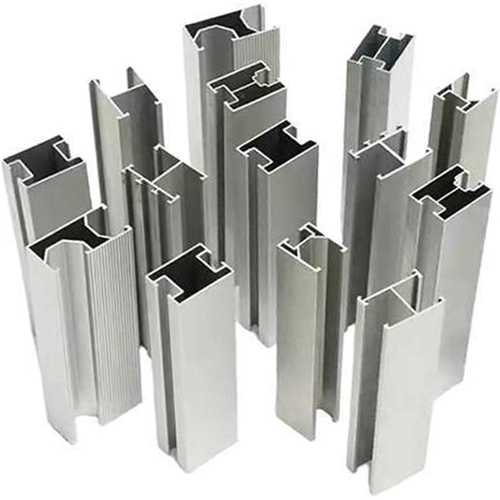
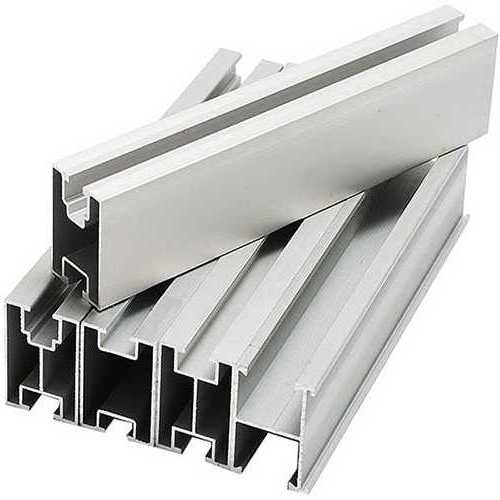
Aluminum FRP grating support beams—also referred to as aluminum support beams for FRP grating, aluminum structural members for fiberglass grating panels, or aluminum grating support profiles—are structural support members used beneath FRP grating in industrial walkways, access platforms, and other elevated structures. They provide an intermediate support path for grating panels, with beam profile, cross-section, span, spacing, and connection details determined according to the project loading, support conditions, and exposure environment.
What Is an Aluminum FRP Grating Support Beam?
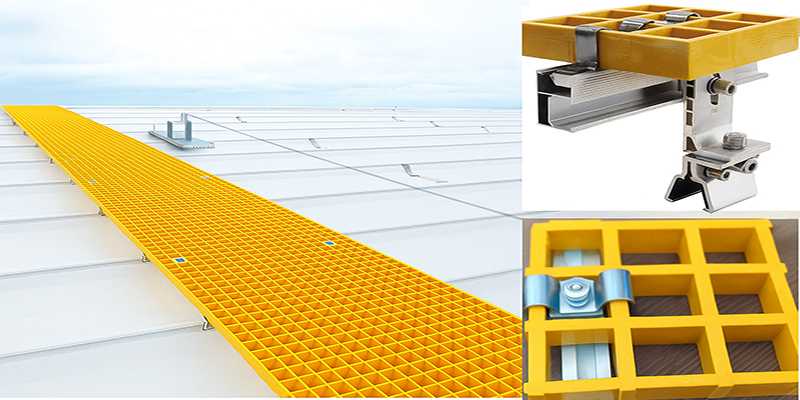
An aluminum FRP grating support beam is an aluminum structural member positioned between an FRP grating panel and the supporting framework. It provides intermediate support for the grating and transfers applied loads to the supporting structure. The required beam configuration depends on the grating arrangement, support span, design loads, connection conditions, and applicable project design criteria.
Key Product Facts
- Base material: Aluminum alloy
- Primary function: Structural support for FRP grating panels
- Design basis: Beam dimensions and cross-section are determined according to project-specific structural requirements
- Compatibility: Used with molded or pultruded FRP grating systems
- Profile options: I-beam, channel, rectangular tube, or other project-specific sections
Material & Construction
These support beams are manufactured from aluminum alloy. Aluminum can be selected as the support material where project requirements call for a metallic structural member compatible with the FRP grating system. Alloy selection depends on the structural requirements, environmental exposure, temperature conditions, and potential contact with dissimilar metals.
Beam profile, cross-section, and wall thickness are selected according to span, design loading, support conditions, and applicable engineering criteria. Where aluminum is used together with other metals or FRP components, material compatibility and potential galvanic interaction should also be considered during system design.
Typical Applications
Aluminum support beams for FRP grating are used in structural support arrangements for industrial access and walkway systems. Typical application environments include:
- Chemical processing facilities
- Wastewater treatment facilities
- Marine terminals, docks, and waterfront structures
- Food and beverage processing areas
- Offshore platforms and industrial utility walkways
For highly alkaline environments or applications involving potential galvanic contact with dissimilar metals, material compatibility and isolation measures should be evaluated as part of the project-specific design.
How to Select the Right Beam
The appropriate aluminum support beam configuration depends on the structural arrangement and operating conditions of the FRP grating system. Key design considerations include:
- Support span and beam spacing – affect the required cross-section and structural response
- Design loads – including dead loads, live loads, and applicable concentrated loads
- Cross-sectional properties – including moment of inertia and section modulus
- Support conditions – including end restraints and connection configuration
- Environmental exposure – including chemicals, moisture, temperature variation, and potential galvanic interaction
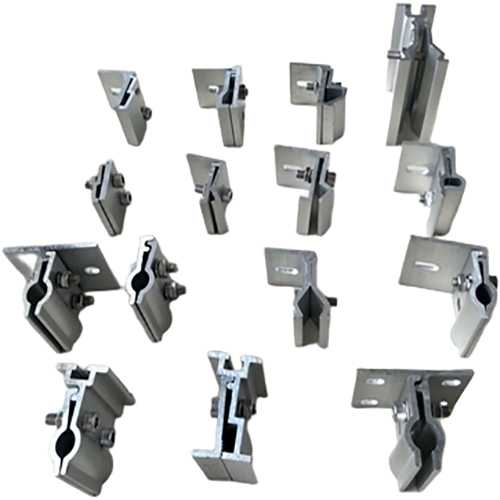
- Connection method – including mechanical fasteners, hold-down clips, or other specified connection hardware
- Deflection criteria – based on the applicable project design requirements
Structural analysis can be used to evaluate the selected beam configuration against the applicable strength and serviceability criteria for the specific project.
Load Capacity
The allowable load of an aluminum FRP grating support beam depends on the beam cross-section, span length, support conditions, material properties, and governing design criteria.
- Beam cross-sectional properties, including moment of inertia and section modulus
- Span length and end support conditions
- Applicable material design properties and allowable stresses
- Combined effects of bending, shear, and local stability considerations
- Applied load type and distribution
Project-specific structural calculations can be used to evaluate the required beam configuration and its allowable loading under the stated design conditions.
Technical Specifications
| Property | Description |
|---|---|
| Base Material | Aluminum alloy; alloy selection depends on project structural and environmental requirements |
| Beam Length | Project-specified according to structural arrangement, fabrication, transport, and installation requirements |
| Cross-Section | I-beam, channel, rectangular tube, or other specified structural profile |
| Connection Type | Mechanical fasteners, hold-down clips, brackets, or other specified connection systems |
| Design Criteria | Project-specific; governing codes and structural design criteria depend on the project jurisdiction and structural system |
Dimensional, loading, and connection requirements are established for the specified project configuration based on the applicable structural design criteria and support arrangement.
Frequently Asked Questions
What load capacity can an aluminum support beam handle?
Load capacity depends on the beam cross-section, span length, support conditions, applied loads, material properties, and governing design criteria. The allowable load is therefore configuration dependent and should be evaluated for the specified beam arrangement and project conditions.
Are aluminum support beams suitable for corrosive environments?
Aluminum support beams can be considered for wet, outdoor, and marine applications, but material suitability depends on the selected alloy, chemical exposure, temperature conditions, and potential contact with dissimilar metals. Highly alkaline environments and galvanic interaction require project-specific material compatibility evaluation.
Can these beams be used in outdoor installations?
Aluminum support beams can be used in outdoor industrial and access structures where the selected alloy and structural configuration are appropriate for the expected exposure conditions. Coastal, marine, and aggressive industrial environments should be evaluated for material compatibility and connection requirements as part of the project design.
How are the support beams connected to FRP grating panels?
Connection details depend on the system design and may include mechanical fasteners, hold-down clips, brackets, or other specified hardware. The connection arrangement should account for the geometry of the grating, support conditions, thermal movement, and compatibility between the aluminum, FRP, and connection materials.
What is the difference between aluminum support beams and FRP support beams?
Aluminum and FRP support members have different material characteristics, structural behavior, thermal expansion characteristics, and environmental considerations. Aluminum may be selected where a metallic support structure is appropriate, while FRP support members can be considered where the project places greater emphasis on non-metallic construction or chemical exposure considerations. Selection depends on the structural system, environment, connection requirements, and compatibility with the FRP grating.
Related Products & System Components
Aluminum FRP grating support beams are used as part of an FRP access system together with other structural and connection components.
- FRP grating panels – molded or pultruded panels selected according to the required span, loading, and environmental conditions
- Connection hardware – fasteners, clips, brackets, and other specified devices used to connect grating and support members
- Primary support structures – steel, concrete, or other structural members supporting the aluminum beam arrangement
These related components should be considered together with the support beam configuration to establish the required structural arrangement.
Engineering Inquiry
For project-specific beam selection or structural evaluation, provide the basic design conditions relevant to the support arrangement:
- Support span and beam spacing
- Design loads, including dead, live, and concentrated loads where applicable
- Environmental exposure and potential chemical contact
- Connection arrangement and supporting structure
- Governing design code or project design criteria, if known
These inputs allow the required beam configuration and structural design criteria to be evaluated for the specified application.


