


Fiberglass Decking Panel Overview
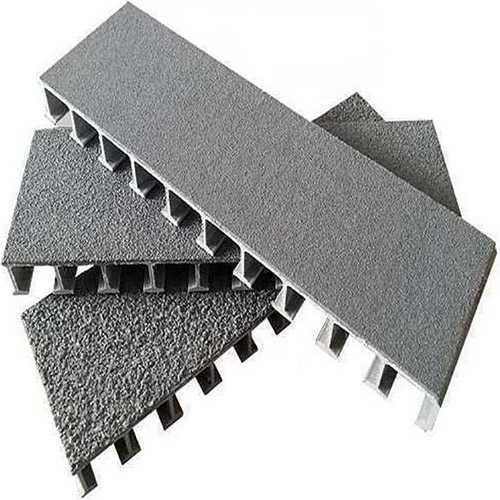
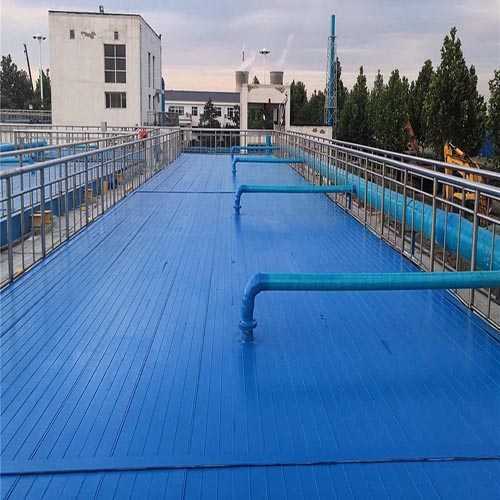
Fiberglass decking panels, also known as FRP decking panels, GRP decking boards, fiberglass decking planks, or pultruded composite decking, are structural deck components made from fiberglass reinforcement and a thermoset resin system. The top surface and supporting legs are formed as one integrated profile. Panels are available with smooth or anti-slip grit surfaces and use a male-female edge connection for assembly. Common applications include pedestrian and cycle bridges, marinas, tank platforms, trench covers, cooling tower platforms, and vehicle trailer decks. Load capacity depends on panel dimensions, support spacing, traffic conditions, and installation requirements.
What Is a Fiberglass Decking Panel?
A fiberglass decking panel is a pultruded FRP decking element used for industrial, infrastructure, and outdoor deck structures. It is produced by pulling continuous glass fiber reinforcement through a thermoset resin bath and heated die, forming a profile in which the top surface and supporting legs are produced as one integrated part. Panels are supplied in project-specified lengths and widths, with smooth or anti-slip surface options.
The product may also be described as an FRP decking panel, fiberglass decking plank, FRP deck panel, GRP decking board, or composite decking board.
Key Product Facts
- Material: Fiberglass reinforcement with a thermoset resin system
- Manufacturing process: Pultrusion; the top surface and supporting legs are integral to the profile
- Surface options: Smooth surface or anti-slip grit surface
- Connection method: Male-female edge connection
- Electrical and magnetic properties: Non-conductive and non-magnetic
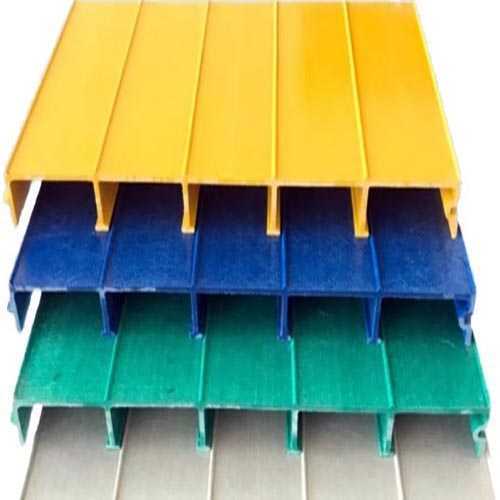
- Color options: Standard colors; custom colors may be available depending on project requirements and production feasibility
- Profile design: Integrated deck surface and supporting legs in a pultruded profile
Material & Construction
The decking panel is manufactured using the pultrusion process. Continuous fiberglass reinforcement is combined with a thermoset resin system and pulled through a heated die to form the panel profile. The top surface and supporting legs are produced as a single integrated unit, while the panel edges include a male-female interlock for adjacent panel assembly.
Two surface finishes are available: a smooth finish and an anti-slip grit finish. The required surface can be selected according to the intended application and installation environment.
Where field cutting or drilling is required, exposed glass fibers at the cut edges should be sealed with a compatible resin. For projects involving mixed chemical environments or changing temperatures, the operating conditions should be considered during product selection and design.
Typical Applications
Fiberglass decking panels are used in industrial, infrastructure, and outdoor structures where project requirements call for an FRP decking system. Common application areas include:
- Pedestrian bridges and cycle bridges
- Marinas and waterfront structures
- Tank platforms and access decks
- Trench covers and cable covers
- Vehicle trailer decks
- Cooling tower floors and platforms
- Bridge sidewalks and light-traffic decking
- Agricultural structures and light railcar platforms
Panel selection is influenced by factors such as expected load, support span, chemical exposure, traffic conditions, and installation requirements.
Load Capacity
Load capacity depends on the selected panel configuration and installation conditions, including:
- Panel width and thickness
- Span between supports
- Resin system and temperature conditions
- Type and frequency of traffic
- Support conditions and fastening method
Project-specific load and deflection requirements should be evaluated against the selected panel dimensions, support spacing, expected loads, and installation conditions.
Selection Considerations
When selecting a fiberglass decking panel, consider the following project variables:
- Load requirements: Panel width, thickness, and support spacing should correspond to the expected load and traffic conditions.
- Surface finish: Smooth and anti-slip grit surfaces are available for different application requirements.
- Resin system: Resin selection can be matched to the expected environmental and chemical exposure conditions.
- Color: Standard colors are available, with custom colors subject to project requirements and production feasibility.
- Installation method: Adjacent panels use a male-female edge connection, with the supporting structure and fastening arrangement matched to the selected profile.
- Field modifications: Cutting or drilling may expose glass fibers, so exposed cut edges should be sealed with a compatible resin.
Technical Specifications
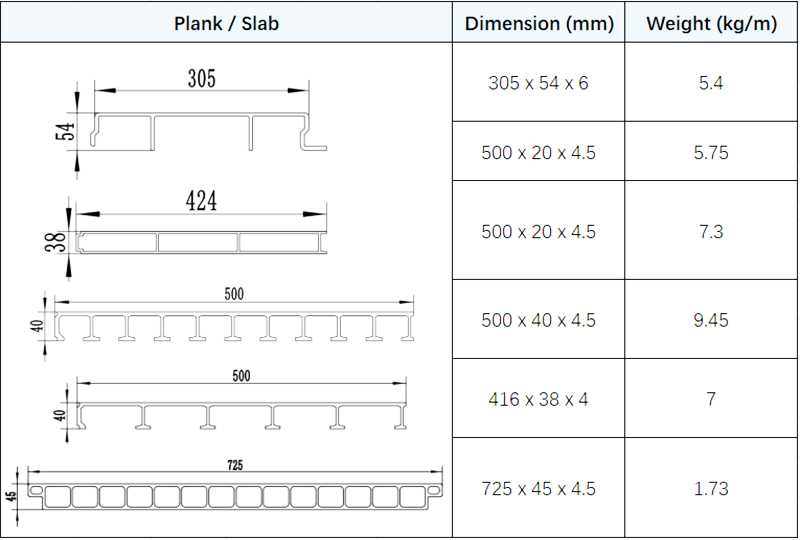
Common specification options include the following. Final dimensions and configuration are selected according to project requirements.
- Material: Fiberglass reinforcement with a thermoset resin system
- Manufacturing process: Pultrusion; top surface and supporting legs are integral
- Surface options: Smooth or anti-slip grit surface
- Connection: Male-female edge connection
- Width options: Commonly 305 mm, 416 mm, 500 mm, and 725 mm; custom widths may be available
- Thickness options: Commonly 20 mm, 38 mm, 45 mm, and 54 mm; custom thicknesses may be available
- Weight: Depends on panel width and thickness
- Color options: Standard colors; custom colors may be available depending on the resin system and production feasibility
- Load capacity: Configuration dependent on panel dimensions, span, and support conditions
- Electrical properties: Non-conductive and non-magnetic
Frequently Asked Questions
What is a fiberglass decking panel?
A fiberglass decking panel is a pultruded FRP decking element made from fiberglass reinforcement and a thermoset resin system. The top surface and supporting legs are formed as one integrated profile.
How is the anti-slip surface produced?
The anti-slip grit surface is incorporated into the decking panel during production. The selected surface finish depends on the application and installation requirements.
Can fiberglass decking panels be cut on site?
Field cutting is possible where required. After cutting, exposed glass fibers should be sealed with a compatible resin.
How are the panels connected?
Fiberglass decking panels use a male-female edge connection so adjacent panels can be assembled together across the deck surface.
Are custom sizes and colors available?
Custom dimensions and colors may be available depending on project requirements and production feasibility.
Are fiberglass decking panels non-conductive and non-magnetic?
FRP decking panels are non-conductive and non-magnetic. Specific application requirements should be considered when selecting the panel configuration.
Related Products & System Components
Fiberglass decking panels can form part of a complete decking or walkway system. Related components may include:
- FRP support structures and beams for panel mounting
- Handrails and guardrail systems for elevated walkways
- Fastening hardware and connection accessories
Related product selection depends on the deck layout, support structure, installation method, and project requirements.
Engineering Inquiry
For project-specific sizing and configuration, provide the following information:
- Required panel dimensions: width, thickness, and length
- Support spacing and expected loads
- Chemical exposure and ambient temperature range
- Surface finish preference: smooth or anti-slip
- Color preference
- Quantity required


