
Leave Us a Message
Fiberglass Pergola Overview
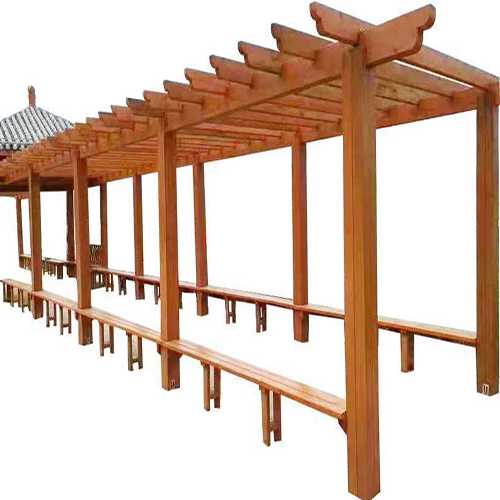
Fiberglass pergolas, also known as FRP pergolas or composite outdoor shade structures, are freestanding or attached structures used to define and shade outdoor spaces in architectural and commercial settings. They are built from fiberglass reinforced polymer (FRP / GRP) profiles and can be configured with different spans, profile sections, connection details, and surface finishes according to project requirements.
What Is a Fiberglass Pergola?
A fiberglass pergola is an outdoor structure assembled from fiberglass reinforced polymer (FRP / GRP) composite sections. It can provide shade and help define open-air spaces while offering resistance to moisture and corrosion. Compared with conventional wood or steel construction, FRP does not rust like steel and is not susceptible to biological rot in the same way as untreated wood. Material selection, surface finish, and connection details should be considered according to the installation environment.
Key Product Facts
- Material: Fiberglass reinforced polymer (FRP / GRP)
- Structure type: Modular or custom-assembled pergola frame system
- Surface finish: Gel coat or weather-resistant surface finish options, depending on configuration
- Profile shapes: Rectangular, square, T-beam, or other composite sections according to design requirements
- Color options: White, grey, black, wood-effect, or other project-specific finishes where available
Material & Construction
Fiberglass pergolas are made from glass fiber reinforcement embedded in a thermosetting resin matrix. The resulting FRP profiles provide resistance to moisture and corrosive exposure and are suitable for outdoor applications where material selection needs to account for weather and environmental conditions.
Resin selection and surface finish can influence the suitability of the pergola for specific exposure conditions, including UV intensity, humidity, and chemical contact. UV-resistant surface systems can be considered where prolonged sunlight exposure is expected. Electrical properties should also be considered when non-conductive construction is part of the project design.
Structural profiles can be connected with mechanical fasteners to form the pergola frame. Connection design depends on the selected profiles, span, support conditions, hardware, and project requirements.
Typical Applications
FRP pergolas can be used in outdoor architectural and commercial environments where shade, spatial definition, and corrosion-resistant composite construction are relevant to the project. Typical applications include hotel and resort grounds, public plazas, waterfront walkways, shopping center outdoor areas, corporate campuses, and recreational facilities.
They can also be considered for coastal or humid locations where exposure to moisture and corrosion is an important material-selection factor. The appropriate resin system, surface finish, connection method, and structural configuration depend on the specific site conditions.
Selection Considerations
When specifying a fiberglass pergola, several project variables typically influence the required configuration:
- Span and structural load: Profile size, framing layout, and connection details depend on the required span and applicable wind, snow, and live-load criteria.
- Environmental exposure: Resin selection and surface finish should be considered in relation to UV intensity, humidity, salt exposure, and any specified chemical contact.
- Foundation type: Base and connection details depend on whether the pergola is attached to concrete, steel, or another structural support.
- Modular layout: Modular configurations can support prefabricated assembly, transportation, and installation planning for single-site or multi-site projects.
- Electrical properties: Where electrical isolation is a design consideration, the FRP configuration and associated hardware should be specified accordingly.
Technical Specifications & Configuration
| Property | Typical Options |
|---|---|
| Material | Fiberglass reinforced polymer (FRP / GRP) |
| Structure type | Modular or custom-assembled pergola frame system |
| Surface finish | Gel coat or weather-resistant surface finish, depending on configuration |
| Profile options | Rectangular, square, T-beam, or other composite sections according to design requirements |
| Color options | White, grey, black, wood-effect, or other project-specific finishes where available |
| Installation | Prefabricated components or modular assembly |
| Electrical properties | Non-conductive FRP configurations can be considered where electrical isolation is a project requirement |
Required span, structural load capacity, deflection criteria, wind exposure, connection details, and foundation conditions are project-dependent. Final structural configuration should therefore be established from the applicable project design criteria.
Frequently Asked Questions
How does a fiberglass pergola perform in coastal environments?
FRP provides resistance to moisture and corrosion and does not rust like conventional steel. For coastal projects, resin selection, surface finish, connection hardware, and site exposure should be considered together.
Does the pergola require annual maintenance?
Routine painting is generally not required for many finished FRP surfaces. Maintenance requirements depend on the surface finish, exposure environment, and installation condition. Periodic cleaning may be appropriate to remove dirt or accumulated debris.
Are custom dimensions and colors available?
Profile sizes, overall dimensions, and surface finishes can be configured according to project requirements where the selected product configuration permits. Non-standard spans and framing layouts should be reviewed as part of the project design.
Can the pergola handle strong winds?
Wind performance depends on span, profile selection, framing layout, connections, foundation conditions, and site-specific wind exposure. The required configuration should therefore be established from the project design criteria rather than from a single generic wind value.
Is installation complicated?
FRP pergola sections can be supplied as prefabricated components or assembled in modular form. Handling and installation requirements depend on profile size, frame configuration, connection details, and site conditions.
Related Products & System Components
Fiberglass pergolas can form part of a larger outdoor architectural installation. Related system components may include:
- FRP grating panels for walkways and decking around the pergola
- FRP handrails and guardrail systems for elevated access areas
- Fastening hardware and anchor systems for structural connections
For compatible products and system-level recommendations, provide the project requirements for technical review. You may also review our FRP Grating Systems or Fiberglass Pavilion pages for related FRP applications.
Engineering Inquiry
For technical data requests, structural calculations, or project-specific drawings, submit the relevant project requirements. The following information helps define the appropriate pergola configuration:
- Required overall dimensions and span length
- Wind, snow, and live-load criteria
- Environmental exposure, including UV, humidity, coastal, or specified chemical conditions
- Foundation type and connection details
- Electrical isolation or other project-specific material requirements
- Quantity and target delivery schedule


