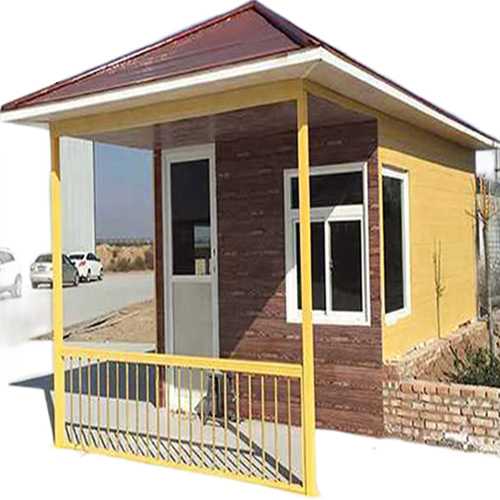
Fiberglass Pavilion

Fiberglass pavilions, also known as FRP pavilions or composite outdoor shelter structures, are freestanding shelters built from FRP / GRP composite structural members and mechanical connections for commercial and industrial environments. Configurations can vary by dimensions, span, connections, resin system, surface protection, and site conditions.
A fiberglass pavilion is an outdoor shelter structure made from FRP / GRP composite structural members. It can be configured to provide covered space for personnel, equipment, or operational activities in commercial and industrial environments. Material selection, surface protection, connections, and structural dimensions can be specified according to the expected site conditions.
The pavilion structure uses fiberglass reinforced polymer components connected through mechanical fasteners. The FRP / GRP structural members, resin system, surface protection, and fastening hardware can be specified according to the intended exposure environment and project requirements.
Different resin systems may be specified for different exposure conditions. UV-stabilized surface options can be specified where prolonged outdoor exposure is expected. Non-conductive material options can also be specified where electrical isolation is a project requirement.
Fiberglass pavilions can be configured for outdoor industrial and commercial settings where covered space is required. Potential applications include industrial plant shelters, logistics and distribution centers, port and coastal terminals, utility sites, and municipal facilities. Site exposure such as humidity, salt, UV radiation, and chemical contact should be considered when selecting the material and configuration.
When specifying a fiberglass pavilion, several factors typically influence the configuration and structural design:
| Property | Configuration / Available Options |
|---|---|
| Material | FRP / GRP composite fiberglass |
| Structure type | Modular bolted frame system |
| Span length | Project-specific; based on required dimensions and structural design |
| Surface protection | UV-stabilized outer surface options |
| Fastening system | Stainless or coated steel hardware options |
| Service environment | Outdoor commercial and industrial applications |
| Electrical properties | Non-conductive material options |
Span, wind-related structural requirements, and deflection limits are determined through project-specific engineering calculations based on the proposed geometry, loading conditions, connections, and site requirements.
Resin systems, surface protection, and fastening hardware can be selected according to the expected exposure. For environments involving specific chemicals or combinations of exposure conditions, the applicable project requirements should be reviewed when selecting the configuration.
Yes. Fiberglass pavilions can be supplied as modular components for on-site assembly. The modular arrangement can be adapted to project dimensions, transportation requirements, and site conditions.
Outdoor configuration should be selected according to the expected UV, moisture, coastal, and chemical exposure. Resin selection, surface protection, structural dimensions, and connection details can be specified based on the project conditions.
Yes. Span lengths, heights, and layout configurations can be adapted to project drawings and site requirements. Non-standard dimensions and structural arrangements should be reviewed as part of the project-specific design process.
Fiberglass pavilions can be integrated with other FRP and structural components used around outdoor access and support areas. Related components may include:
For compatible products and project-specific configuration requirements, contact our engineering team with the relevant site and structural information. You may also review our FRP Grating Systems page for related FRP access components.
For technical data requests, structural calculations, or project-specific drawings, please submit a request. Providing the following information helps our team prepare a more relevant response:


