Fiberglass Pallet Overview Fiberglass pallets, also known as FRP or GRP pallets, are composite material-handling platforms made with glass fiber reinforcement in a thermosetting resin matrix. Availa... Read More
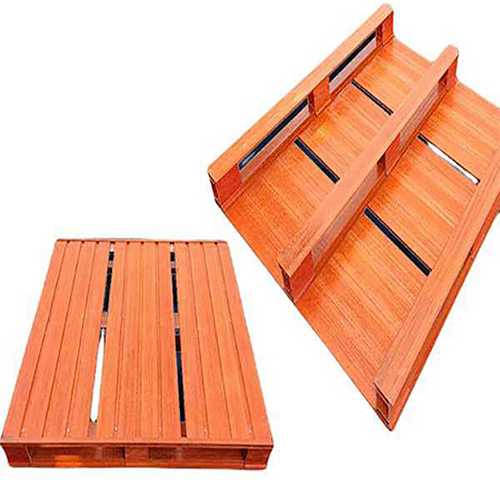
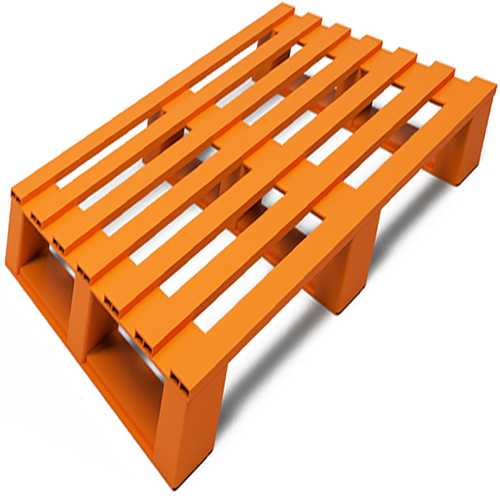
Fiberglass pallets, also known as FRP or GRP pallets, are composite material-handling platforms made with glass fiber reinforcement in a thermosetting resin matrix. Available configurations include closed smooth, open-grid, and ribbed deck designs, with resin systems and dimensions selected according to handling and project requirements. Typical application areas include chemical processing, pharmaceutical, food and beverage, cold storage, marine, and logistics environments.
What Is a Fiberglass Pallet?
A fiberglass pallet is an FRP material-handling platform used to store, handle, and transport goods in industrial environments where moisture, washdown, or corrosion exposure is a consideration. Fiberglass reinforced polymer (FRP / GRP) combines glass fiber reinforcement with a thermosetting resin matrix. Deck construction, dimensions, resin system, and support configuration can be selected according to the intended application and handling requirements.
Deck type options: Closed smooth deck, open-grid deck, ribbed deck
Standard dimensions: 1200 × 1000 mm, 1200 × 800 mm, 1100 × 1100 mm
Resin options: Polyester, vinyl ester, epoxy
Surface options: Anti-slip top surface, smooth surface, molded-in identification markers
Material & Construction
Fiberglass pallets combine glass fiber reinforcement with a thermosetting resin matrix. The selected resin system can be matched to the chemical exposure, outdoor exposure, and temperature requirements identified for the application.
Deck and support construction can be configured to suit handling, drainage, airflow, and cleaning requirements. Closed smooth decks provide a continuous surface, while open-grid and ribbed deck designs can be considered where drainage or airflow is required.
Typical Applications
Fiberglass pallets are used in industrial material-handling applications where material selection needs to account for moisture, washdown, cleaning, or corrosion exposure. Common application areas include chemical processing facilities, pharmaceutical production, food and beverage plants, cold storage warehouses, and automated distribution centers.
They can also be considered for marine and coastal logistics environments where salt exposure and high humidity form part of the operating conditions.
Selection Considerations
When specifying a fiberglass pallet, the following factors typically need to be considered together:
Load requirements: Static and dynamic load capacity depends on deck design, support configuration, pallet geometry, and selected material system. Specific load cases should be evaluated for the intended operating conditions.
Chemical exposure: Resin selection should be matched to the chemicals, concentrations, exposure conditions, and cleaning requirements identified for the application.
Temperature requirements: Service temperature requirements should be checked against the selected resin system and the expected operating conditions.
Hygiene and cleaning: Closed deck surfaces can be considered where washdown and cleaning are required, while open-grid decks provide drainage and airflow where liquid accumulation is a concern.
Automation compatibility: Pallet dimensions, fork-entry geometry, and other interface requirements can be specified to match conveyors, AGVs, or automated storage equipment where applicable.
Electrical properties: Non-conductive constructions are available for applications where electrical isolation is required.
Technical Specifications
Available product configurations for fiberglass pallets
Load capacity, service temperature requirements, and chemical suitability depend on the selected configuration and project conditions. Contact our engineering team for project-specific technical data.
Frequently Asked Questions
What are fiberglass pallets made from?
Fiberglass pallets are made from glass fiber reinforced polymer (FRP / GRP), combining glass fiber reinforcement with a thermosetting resin matrix. Polyester, vinyl ester, and epoxy resin options are available for different configuration requirements.
What deck types are available for fiberglass pallets?
Available deck designs include closed smooth decks, open-grid decks, and ribbed decks. The appropriate configuration depends on handling, drainage, airflow, and cleaning requirements.
How should a fiberglass pallet be selected for chemical or washdown environments?
Selection should consider the chemicals involved, exposure conditions, cleaning requirements, temperature, deck design, and the selected resin system. Project-specific operating conditions should be reviewed before final configuration.
Are fiberglass pallets suitable for outdoor use?
Fiberglass pallet configurations can be specified for outdoor applications. Where prolonged sunlight exposure is expected, the selected resin system and environmental conditions should be considered during specification.
Are non-conductive fiberglass pallets available?
Non-conductive constructions are available for applications where electrical isolation is required. The required configuration should be identified according to the intended operating conditions.
Related Products & System Components
Fiberglass pallets can be considered alongside other FRP material-handling and structural products where related support or access components are required.
FRP grating panels for walkways and platform surfaces
FRP structural profiles for custom racking or support frames
Fastening hardware and connection accessories for assembly
For compatible products and project-level requirements, contact our engineering team. You may also review our FRP Grating Systems or Fiberglass Cable Tray product pages for related FRP products.
Engineering Inquiry
For technical data requests, load calculations, or project-specific drawings, please submit a request. Providing the following information helps our team prepare a more relevant response:
Pallet dimensions and required deck type
Static and dynamic load requirements
Chemical exposure and ambient temperature range
Cleaning or washdown requirements, if applicable
Automation interface requirements, if applicable
Fire performance or electrical non-conductivity requirements