Plastic Grass Grid Overview Plastic grass grids—also known as plastic grid pavers, grass reinforcement grids, or permeable grass pavers—are modular ground reinforcement products made from high-densi... Read More
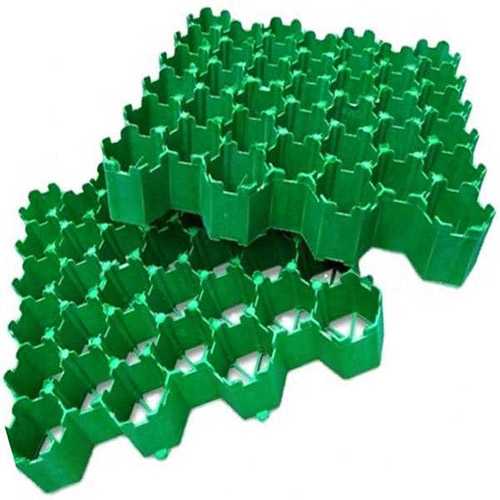
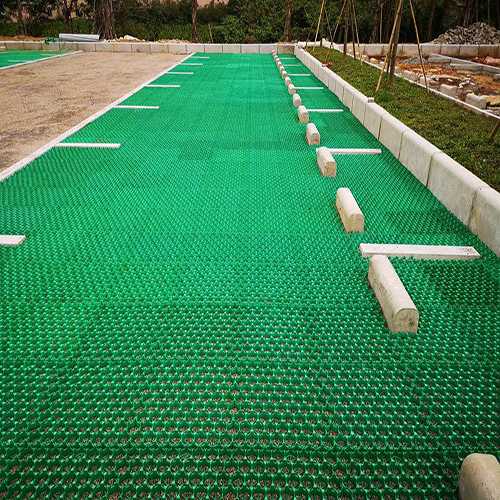
Plastic grass grids—also known as plastic grid pavers, grass reinforcement grids, or permeable grass pavers—are modular ground reinforcement products made from high-density polyethylene (HDPE). Their open-cell, interlocking panels are designed for grass or aggregate infill, creating a reinforced surface while allowing water to move through the open cells. Common applications include parking areas, access routes, driveways, landscaped traffic areas, and other sites where a permeable ground surface is required. Selection depends on grid configuration, base preparation, infill, drainage conditions, and intended traffic.
What Is a Plastic Grass Grid?
A plastic grass grid is a modular HDPE panel with an open-cell structure. The panels are laid over a prepared base and filled with grass or aggregate to form a reinforced, permeable ground surface. The grid provides a defined cell structure for the infill while maintaining open pathways for water movement through the surface.
Infill options: Grass, gravel, or other suitable aggregate, depending on the application.
Primary function: Ground reinforcement for permeable grass or aggregate surfaces.
Water movement: Open cells allow vertical passage through the grid when the underlying base permits drainage.
Material & Construction
The grid panels use high-density polyethylene (HDPE) as the base material. Their open-cell geometry and interlocking edges create a connected panel system for installation across prepared ground.
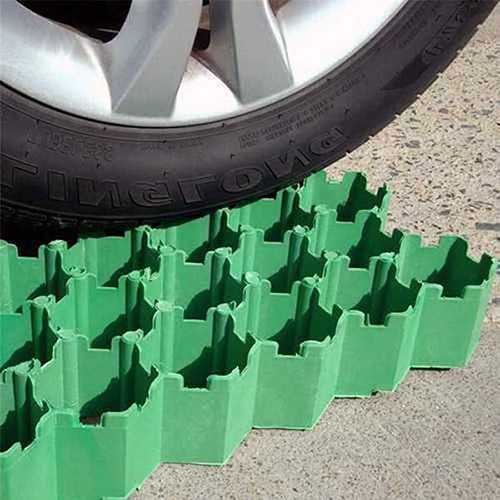
Panel geometry, cell dimensions, wall thickness, base preparation, and infill all affect how loads are distributed through the completed surface. These factors should be considered together when selecting a grid for a specific site and traffic condition.
Applications
Plastic grass grids are used where a stable, permeable surface is required without fully covering the ground with conventional hard paving. Common application areas include:
Overflow and temporary parking areas
Fire access lanes and emergency vehicle routes
Commercial and residential driveway reinforcement
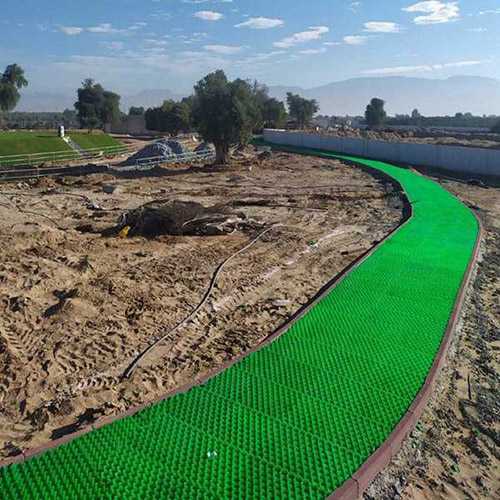
Public parks, walkways, and landscaped traffic areas
Utility access routes and service paths
Ground reinforcement and erosion-control applications on slopes or high-traffic green areas
Application suitability depends on expected loads, site conditions, drainage requirements, installation design, and the selected grid configuration.
Selection Considerations
When evaluating plastic grass grids, engineers, contractors, and specifiers typically consider:
Cell dimensions and wall thickness in relation to the intended traffic and loading conditions
Base and sub-base preparation, including required layer thickness and compaction
Infill material, such as grass, gravel, or other aggregate
Drainage characteristics of the site and underlying soil
Traffic type and frequency, including pedestrian, light-vehicle, or heavier vehicle use
Site slope, surface stability, and erosion-control requirements
Climate and exposure conditions relevant to the selected material configuration
Final grid selection should be based on the actual panel configuration, installation build-up, site conditions, and intended use.
Technical Specifications
The following table summarizes general material and construction characteristics. Load-related values vary with grid configuration, base design, infill, and traffic conditions.
General characteristics of plastic grass grid
Characteristic
Description
Material type
High-density polyethylene (HDPE)
Panel structure
Open-cell, interlocking modular panels
Surface configuration
Grass-filled or aggregate-filled, depending on application
Ground reinforcement function
Provides a structured cell system for grass or aggregate infill
Water movement
Open cells allow vertical water passage through the grid where the underlying ground build-up permits drainage
Load selection
Depends on panel geometry, base preparation, infill, and intended traffic
Exposure considerations
Climate, UV exposure, and other site conditions should be considered during material and configuration selection
Color options
Commonly black; other colors may be available depending on production requirements
For project-specific selection data or configuration information, provide the intended application, traffic conditions, site build-up, infill, required quantity, and delivery location.
Frequently Asked Questions
Can a plastic grass grid be used in vehicle traffic areas?
Plastic grass grids are commonly used for parking areas, driveways, access routes, and other traffic-related ground reinforcement applications. The appropriate configuration depends on the expected traffic, base preparation, infill, and site conditions.
Does the grid allow grass to grow through it?
The open-cell structure provides spaces for grass to establish within the grid. Grass growth depends on soil conditions, moisture, sunlight, maintenance, and the selected installation build-up.
Can the grid be used for outdoor applications?
Plastic grass grids are used in outdoor ground-reinforcement applications. Material selection should take account of the expected climate, UV exposure, traffic conditions, and installation environment.
How is a plastic grass grid installed?
Typical installation includes preparing and compacting the base, laying the interlocking panels, placing the selected infill, and finishing the surface according to the application. The installation build-up should be matched to the site conditions and intended use.
Can the grid be filled with gravel instead of grass?
Yes. Plastic grass grids can be used with gravel or other suitable aggregate where a permeable reinforced surface is required. The appropriate infill depends on the intended application, drainage conditions, and surface requirements.
Engineering Inquiry
For project-specific product selection or configuration information, provide the following details to help identify a suitable grid specification:
Required panel dimensions and cell configuration
Expected traffic type and frequency
Base and sub-base conditions, including soil type and layer thickness